

Consultant Orthopedic Surgeon Specializing in Sports Injuries and Joint Replacement
The knee is a vital joint that bears most of the body's weight and participates in most daily activities, from walking and climbing to running and sitting. When the joint deteriorates because of severe osteoarthritis, chronic inflammation or direct injury, and treatments fail to relieve pain and improve movement, knee replacement becomes an important treatment option for restoring mobility and reducing pain.
See also: American Knee Replacement Cost.
Prof. Dr. Yasser Reda provides specialist assessment for advanced knee osteoarthritis and joint wear, determining the need for knee replacement based on examination, imaging, pain severity and the patient's mobility.
See also: High-Flexion Knee Replacement.

Prof. Dr. Yasser Reda – Knee Replacement Surgery and Joint Replacement
The knee is one of the body's most heavily stressed joints because it is involved in most daily activities, such as walking, climbing stairs, sitting and standing. With age, or as a result of severe osteoarthritis, chronic inflammation or direct injury, the joint may begin to lose its natural ability to move.
See also: best joint replacement surgeon.
When pain becomes chronic and non-surgical treatments such as medication, physiotherapy, injections or changes to daily activity fail, the doctor may recommend knee replacement as a suitable way to improve quality of life, reduce pain and restore mobility.
If you want to understand osteoarthritis before it reaches the surgical stage, you can read the page Knee Osteoarthritis Treatment, and you can also learn about the role of Knee joint injections as a non-surgical option before deciding on surgery.
What is knee replacement surgery?
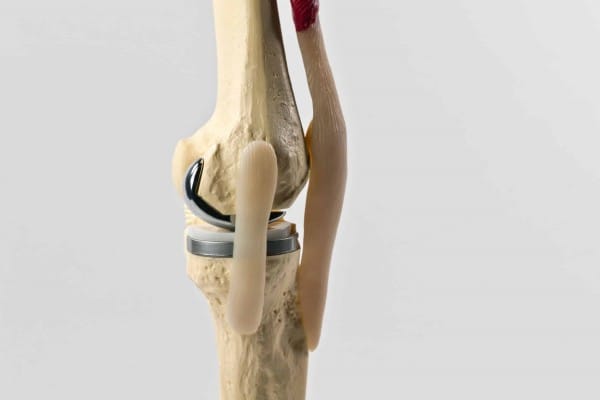
Knee replacement is a surgical procedure in which damaged parts of the knee joint are replaced with artificial components usually made of metal and medical-grade plastic. These components help reduce friction inside the joint and improve movement.
See also: Best Type of Knee Prosthesis.
The procedure is usually performed under appropriate anesthesia selected by the anesthetist according to the patient's condition. The surgeon removes damaged parts from the ends of the thigh bone and shin bone and positions the artificial joint to help the knee move in a more natural way.
This procedure may also be called total knee replacement or partial knee replacement, depending on the extent of damage inside the joint.
Knee replacement aims to:
- Relieve chronic pain caused by joint wear.
- Restore better mobility and walking ability.
- Improve daily activities such as climbing stairs and standing.
- Correct certain deformities or misalignment of the knee axis.
- Improve the patient's quality of life after non-surgical treatments have failed.
If you are looking for a specialist assessment before deciding on surgery, you can read the page The Best Knee Replacement Surgeon in Egypt.
When Does a Patient Need Knee Replacement Surgery?
A patient needs knee replacement when pain, stiffness and impaired mobility become severe and resistant to treatment, interfere with daily life and do not respond to conventional treatments such as medication, physiotherapy or local injections.
This usually results from joint wear or damage caused by advanced osteoarthritis, chronic arthritis, knee deformities or direct injuries affecting the joint.
Chronic Pain That Does Not Improve
Persistent knee pain during movement or at rest that does not improve with painkillers or physiotherapy may indicate joint deterioration.
Joint Stiffness and Restricted Movement
Difficulty moving the knee, particularly when sitting, getting out of bed or trying to bend it, may indicate that the joint has lost its natural flexibility.
Recurrent or Persistent Swelling
Chronic knee swelling that does not clearly respond to anti-inflammatory medication may indicate advanced internal joint damage.
Knee Deformity
The patient may notice leg deviation or a visible twist in the joint that changes how they stand or walk. This is medically known as knee-axis deformity.
Difficulty with Daily Activities
When climbing stairs, walking a short distance or standing briefly becomes painful and exhausting, this indicates that the joint is no longer functioning efficiently.
Failure of Non-Surgical Treatments
If the doctor and patient have exhausted non-surgical options such as injections, medication and physiotherapy without tangible improvement, surgery may be considered.
For more details about signs that surgery may be needed, you can read the page When do you need knee replacement?.
When does the doctor decide knee replacement is necessary?
After trying several treatments to relieve pain or restore normal use of the knee, surgery to replace the joint may be considered if these attempts do not achieve the desired result, allowing the patient to carry out daily activities without severe pain or clear disability.
Conditions on which the doctor may base the decision to perform surgery include:
- Degenerative arthritis: This is one of the most common causes, particularly among older adults. Cartilage inside the knee gradually wears away and the joint becomes damaged over time.
- Rheumatoid arthritis: This is a chronic autoimmune disease that may cause severe joint inflammation and damage.
- Knee deformities: Bone deformities in the knee joint may restrict movement and cause clear pain.
- Compound fractures: Certain severe fractures around the knee may cause extensive joint damage and make replacement an option.
There are also differences in Knee Replacement Surgery Cost According to the patient's condition, the type of artificial joint, the degree of wear, the length of hospital stay and the postoperative rehabilitation plan.
Preparing for Knee Replacement
Patients diagnosed as needing knee replacement follow a treatment and preparation programme for a period before the operation is scheduled to reduce the likelihood of complications, particularly if they are older or have chronic illnesses.
The main preparation steps before surgery include:
- Necessary blood tests, such as a complete blood count, coagulation test, urinalysis, and kidney and liver function tests.
- Necessary investigations such as an electrocardiogram and chest X-ray when needed, particularly for older adults or people with chronic illnesses.
- Reviewing the patient's medications and identifying those that must be stopped before surgery, such as certain blood thinners, according to the doctor's instructions.
- Fasting before surgery for the period specified by the doctor, usually no less than 8 hours before the operation.
- Discussing the anesthesia plan, length of stay and postoperative mobility with the medical team.
Types of Knee Replacement Surgery
Because medical conditions and degrees of joint wear vary, several types of knee replacement surgery are available to suit each case. They can be divided into two main types based on the extent of replacement required inside the joint.
First: Total Knee Replacement
This is the most common type, particularly for patients with severe osteoarthritis or widespread joint damage. The surgeon removes the damaged joint parts, including the ends of the thigh bone and shin bone, and replaces them with artificial components made from a metal alloy and high-quality polyethylene.
The artificial joint is carefully designed to replicate natural knee movement as closely as possible, helping the patient regain the ability to walk and move without the pain caused by the damaged joint.
You can read the page Types of Artificial Knee Joints to learn more about the types of artificial joints and their differences.
This type is recommended in the following cases:
- Damage to the entire joint.
- Clear deviation of the knee axis.
- Failure of non-surgical treatment in advanced cases.
Second: Partial Knee Replacement
Partial replacement is suitable when damage is limited to only one side of the knee, either the medial or lateral side. Only the damaged part is replaced, while the remaining healthy joint structures are left intact.
This type offers several advantages:
- A smaller surgical incision.
- Less loss of natural bone.
- Relatively faster recovery than total replacement.
- Greater retention of the knee's natural feel.
However, this type is not suitable for every patient. The damage must be localised and the joint's main ligaments must be in good condition.
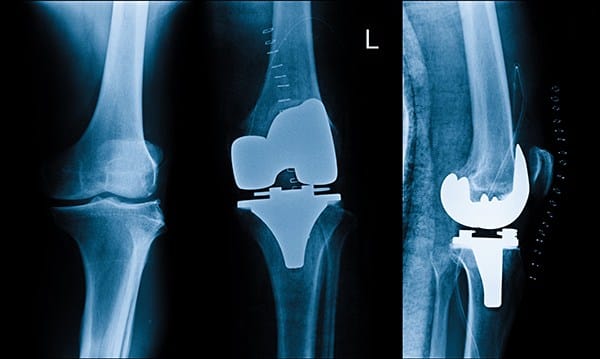
Steps of Knee Replacement Surgery
Total knee replacement is a common procedure for certain advanced conditions that require it. The lower part of the thigh bone and upper part of the shin bone are replaced with specially designed metal and plastic components.
The operation usually involves the following steps:
- The surgeon makes an incision at the front of the knee, then moves the kneecap to one side to expose the joint clearly.
- The damaged parts of the ends of the shin bone and thigh bone are then removed to eliminate worn joint surfaces.
- The bones are prepared to receive the new artificial components.
- The surgeon secures the artificial joint components in place using the method appropriate for the patient's condition.
- Some patients may need part of the back surface of the kneecap replaced if it is found to be damaged.
- The surgeon returns the kneecap to its natural position and checks joint movement and stability.
- Finally, the incision is closed with stitches or surgical staples and the wound is covered with a medical dressing.
After Surgery: Recovery and Rehabilitation
After knee replacement, the patient begins recovery, a stage as important as the surgery itself. Following the doctor's instructions and physiotherapy helps improve movement and reduce complications.
Hospital Stay
The patient usually remains in hospital for several days depending on their condition and response to surgery. During this period, the medical team monitors vital signs, the wound and pain control.
Physiotherapy
Physiotherapy begins early after surgery according to the doctor's instructions. It helps strengthen the muscles around the knee, improve range of motion, reduce the risk of blood clots and accelerate recovery.
Returning to Normal Life
Many patients can return to light daily activities in approximately 6 to 8 weeks, while a full return varies according to age, health and commitment to rehabilitation.
For more details about recovery, you can read the page Recovery Time After Knee Replacement.
Potential Complications After Knee Replacement
Although knee replacement is one of the most successful orthopedic procedures and achieves high patient satisfaction rates, it is a major operation and may involve certain complications.
Patients should understand these complications so that they recognise the importance of close postoperative follow-up and adherence to medical instructions.
Infection
Infection may occur in the external wound or deep within the joint. Symptoms include redness, warmth, increasing pain, swelling or wound discharge.
Blood Clots
Venous blood clots are a known complication after major surgery. Early movement and blood-thinning medication according to the doctor's instructions are recommended to reduce this risk.
Joint Stiffness
In some cases, patients do not regain the knee's full range of motion, particularly if they do not follow the postoperative physiotherapy programme.
Persistent Pain
Despite successful surgery, some patients may have persistent knee pain, which usually requires assessment to identify the cause.
Joint Instability
Instability or abnormal movement of the artificial joint may occur in rare cases, particularly when postoperative movement instructions are not followed.
Wear of the Artificial Joint
Artificial joints are designed to last for many years, but they may wear or loosen over time, especially with excess weight or strenuous activity.
For details related to this aspect, you can read the page Risks of Knee Replacement.
Cost of Knee Replacement and Factors Affecting It
The cost of knee replacement varies between countries and even between medical centres within the same country. It depends on several medical and surgical factors. The final cost can therefore be determined only after examining the patient, selecting the appropriate joint and establishing the treatment plan.
The main factors affecting cost include:
- The type and quality of the artificial joint.
- Whether the operation is a total or partial joint replacement.
- The condition of the joint and the degree of wear or deformity.
- The fees of the surgeon and medical team.
- The length of the hospital stay.
- Tests required before and after surgery.
- The nature of rehabilitation and physiotherapy after surgery.
In general, the operation is a long-term investment in the patient's quality of life and overall health, particularly if advanced osteoarthritis prevents normal walking or daily life. You can read the page Knee Replacement Surgery Cost to learn more about factors affecting the price.
Tips After Knee Replacement
Because orthopedic and joint operations, particularly knee replacement, require precision, doctors recommend following several postoperative tips to reduce complications and improve movement.
- During the initial postoperative period, the patient uses crutches or a walker and does not walk unaided until the doctor permits it.
- Use crutches or safe support when going up and down stairs to avoid excessive loading on the joint.
- Attend prescribed physiotherapy sessions and perform the recommended exercises to improve movement and strengthen muscles.
- Avoid forceful movements or sudden twisting of the knee during the initial period.
- Sit appropriately and avoid excessive knee bending early in recovery.
- Care for the wound and see the doctor if redness, discharge or warmth appears.
When should you see the doctor after surgery?
Medical follow-up does not end when the patient leaves hospital. Regular visits are an essential part of the treatment plan, particularly if any unusual symptoms appear.
See the doctor in the following cases:
- Severe swelling or redness around the wound.
- A high body temperature.
- Discharge from the wound.
- Unusual difficulty moving the knee.
- Persistent pain despite using the prescribed painkillers.
- Severe leg pain or shortness of breath, which require urgent assessment.
Why Choose Prof. Dr. Yasser Reda for Knee Replacement Surgery?
Knee replacement requires careful assessment before a decision is made. Success depends not only on fitting the artificial joint but begins with selecting an appropriate patient, choosing the type of joint, preparing well, and following up and completing rehabilitation after surgery.
Prof. Dr. Yasser Reda provides specialist assessment for advanced knee osteoarthritis and joint wear, explaining available treatments, using non-surgical treatment when appropriate and considering surgery only when the condition requires it.
- Accurate assessment of the degree of knee osteoarthritis and joint wear.
- Determining whether joint replacement or other treatments are appropriate.
- Experience in joint replacement surgery and knee problems.
- Patient follow-up before and after surgery.
- Examinations available at the Heliopolis or Mohandessin clinic.
If you are looking for a specialist knee assessment, you can visit our page on the best orthopedic doctor specializing in knees or book an examination directly.
Frequently Asked Questions About Knee Replacement
How long does recovery from knee replacement take?
Is knee replacement dangerous?
When can walking begin after knee replacement?
Is the entire knee joint always replaced?
Can knee osteoarthritis be treated without joint replacement?
What factors determine the cost of knee replacement?
Medical Sources
Book a Knee Replacement Assessment with Prof. Dr. Yasser Reda
If you have severe osteoarthritis, persistent knee pain, difficulty walking, or physiotherapy and injections have failed, you can book an assessment with Prof. Dr. Yasser Reda to determine whether knee replacement or other suitable treatments are appropriate.