

When do you need knee or hip replacement? Many patients with knee problems need to know at what stage they require knee replacement. This operation is both serious and important, and the doctor uses it only when the patient has severe knee pain and damage that cannot be treated by conventional methods. The decision is made only after the patient undergoes a thorough diagnosis. Its goal is to enable the patient to return easily to normal life without knee pain.
Therefore, the patient should present their case to a knee replacement specialist before making a decision.
The following sections, prepared by the team at the center of Prof. Dr. Yasser Reda, the top orthopedic consultant in Egypt who holds many international certificates in this field, explain the precise details concerning (Knee Replacement Surgery ), beginning with patient preparation, the steps of the operation, and the instructions the patient must follow before and after surgery.
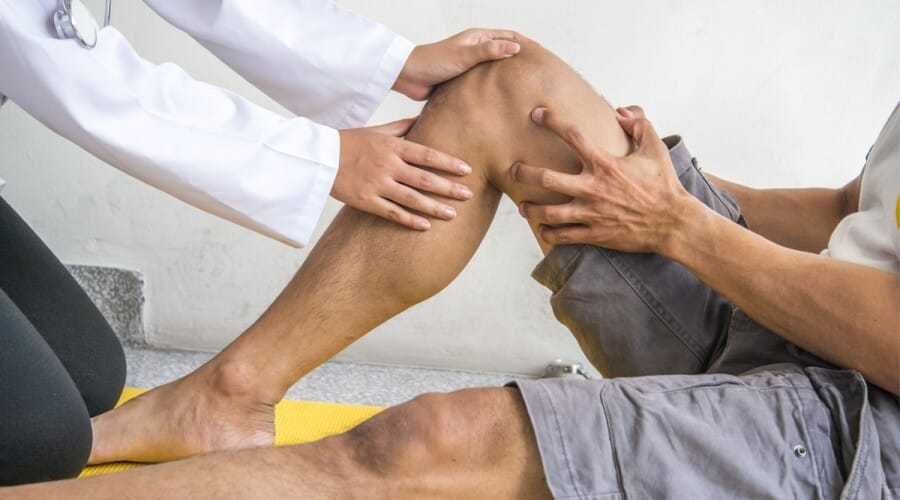
When Do You Need Knee Replacement?
There are many reasons for knee replacement, and the patient may need this operation as soon as possible. They include:
- Severe, unbearable knee pain: Severe pain is one of the most common symptoms patients experience and may make them unable to sleep, move or perform any activities. This pain is caused by joint wear, and the more severe the wear, the greater the pain.
- Osteoporosis: Among the most common reasons for joint replacement are osteoporosis and knee osteoarthritis, which adversely affect the patient's movement.
- Joint stiffness and rigidity: Patients most often feel stiffness in the early morning and evening, especially when going to sleep. They have difficulty changing clothes, putting on shoes and performing the simplest daily activities.
- Difficulty walking: Patients often feel unable to walk short distances and use walking aids most of the time.
- Other causes: Severe obesity, advanced age, repeated knee injuries and rheumatoid arthritis in the joint.
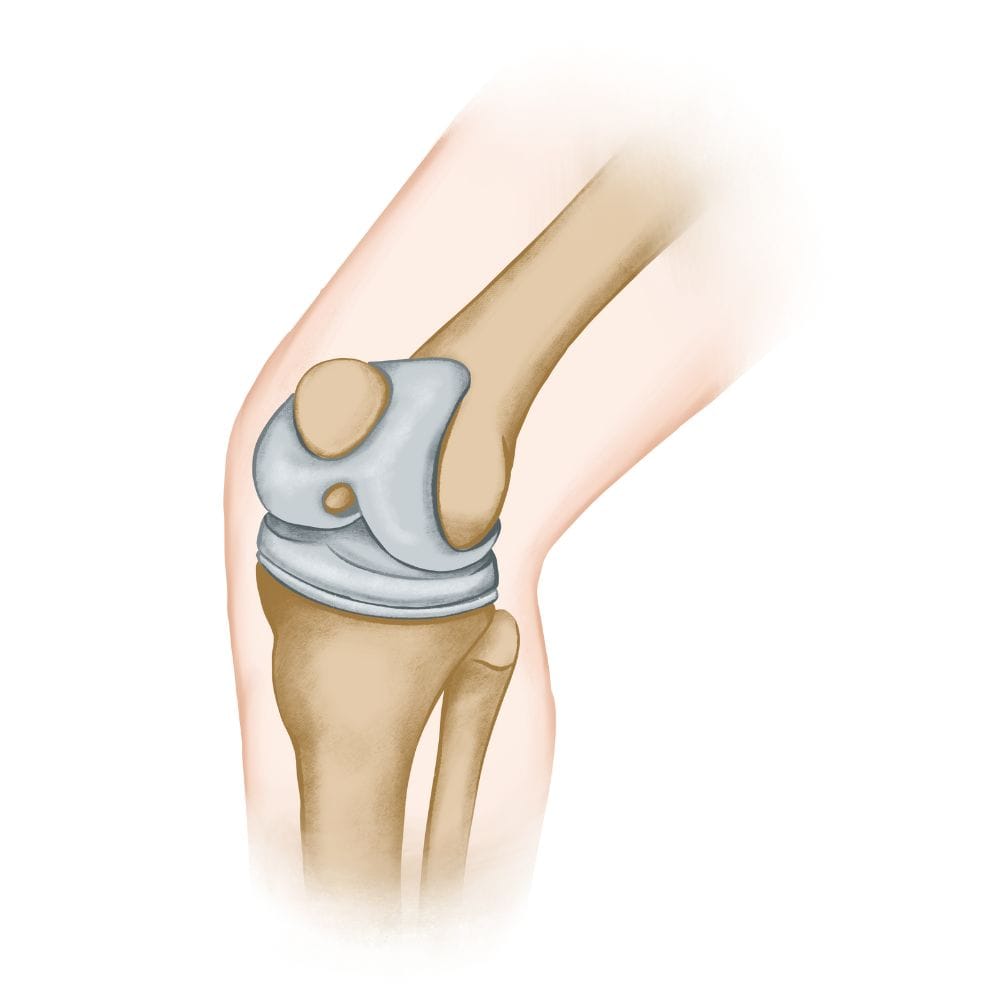
Steps of Knee Replacement Surgery
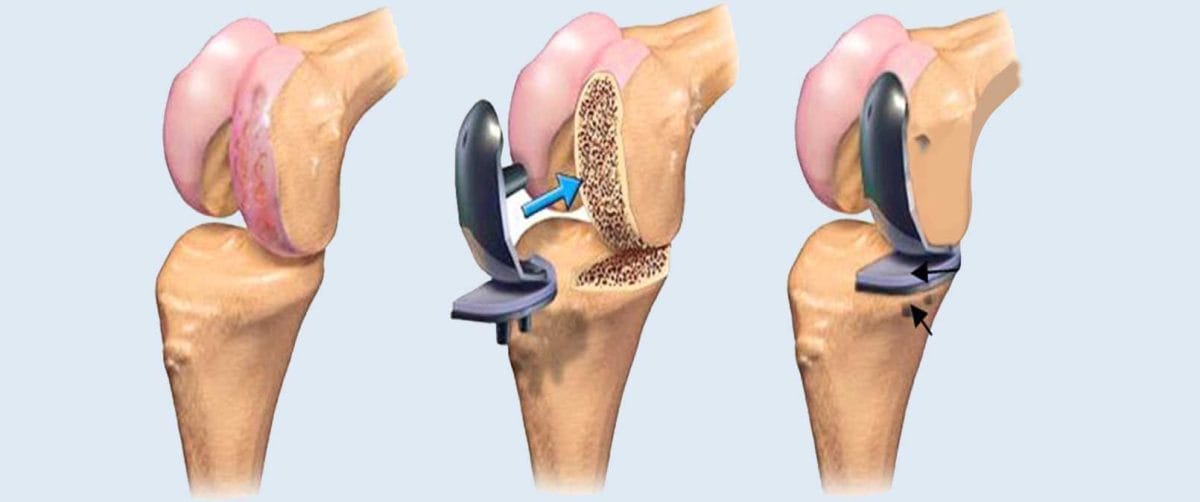
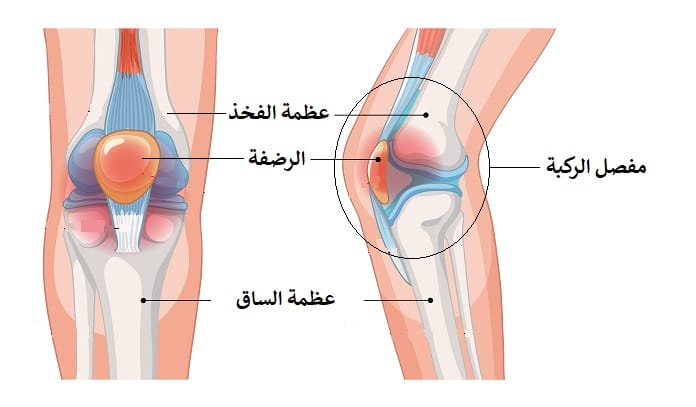
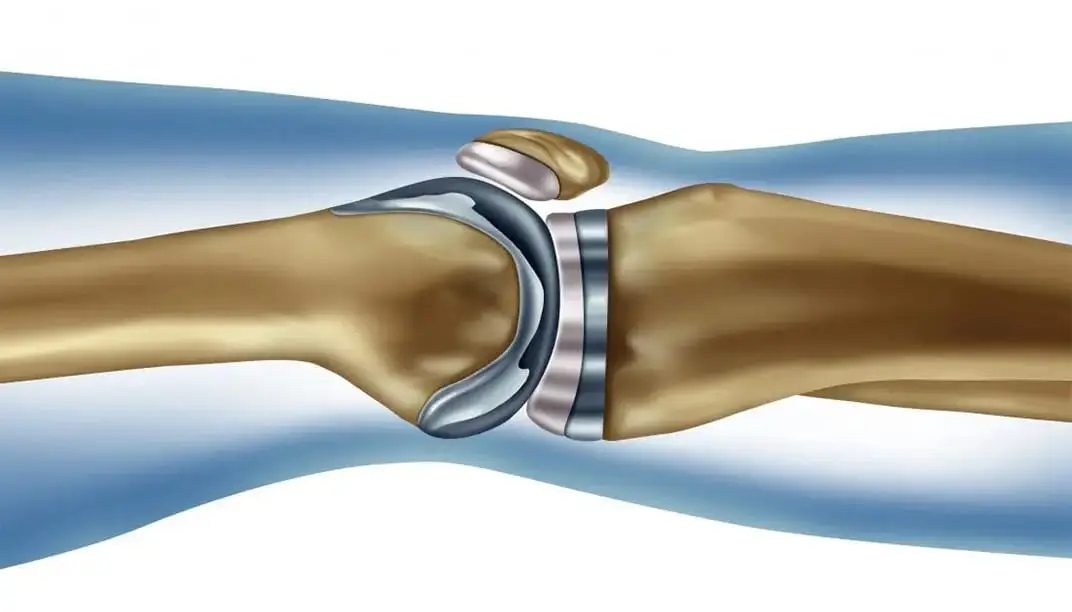
When the doctor decides on knee replacement, the doctor fully understands the patient's symptoms that led to the decision. The operation replaces the natural knee joint with an artificial one and is one of the largest operations in orthopedics. The doctor connects one part of the artificial knee to the femur and the other part to the upper tibia. Pieces of polyethylene are placed between the femur and tibia to prevent impacts from reaching and affecting them. The operation involves the following steps:
- The patient first receives general or regional anesthesia, depending on the patient's health.
- The doctor then makes an incision above the affected knee joint. The incision is between 15 and 25 cm long, depending on the patient's condition.
- Next, the doctor removes damaged parts of the knee, damaged cartilage and the entire joint if necessary while protecting healthy bone from damage.
- The artificial joint is then installed in place of the natural joint and fixed with medical cement or screws. The artificial joint may be made of plastic or metal.
- The patella is then reshaped to fit the new joint, although reshaping the patella is not suitable for every case.
- The tendons surrounding the new joint are also secured, and the soft tissues and ligaments are balanced to ensure joint stability.
- Finally, the incision is closed with surgical sutures, and a drainage tube is placed to drain fluid from the body.
Tips Before Knee Replacement Surgery
Prof. Dr. Yasser Reda provides many tips to prepare patients for joint replacement and ensure a high likelihood of success. One of the most important tips is for the patient to perform certain exercises. Preparations include:
- Medical examinations: The patient must undergo the medical examinations requested by the doctor, including laboratory tests, an electrocardiogram and chest X-rays, to determine the patient's health status.
- Medical history and medications: If the patient has any diseases, the doctor must be told about them, such as diabetes, blood pressure problems or any other conditions. The doctor must also be informed about all medications, including dietary supplements and any other types.
- Following the fasting period: The patient must follow the fasting period and refrain from foods and drinks as specified by the doctor. This period is usually between 6 and 8 hours.
- Stopping smoking: If the patient consumes any alcoholic drinks, they must stop, and they must also quit smoking because it adversely affects the operation and the recovery rate.
- Rest and psychological preparation: The patient must get sufficient rest and sleep early before the operation to prepare properly.
After Knee Replacement Surgery
After reviewing the steps of knee replacement, the doctor who performed the operation provides instructions for the patient to follow to complete recovery and avoid complications. These guidelines include:
- Prof. Dr. Yasser Reda recommends beginning to move the patient and walk with assistance the day after the operation, or sometimes on the same day, to reduce the risk of blood clots and improve the result.
- Walking aids or crutches are used when attempting to walk after consulting the doctor.
- Take medications that help the wound heal again.
- The patient should then try to bend the knee gradually until reaching a specified range of motion.
- In most cases, the sutures dissolve 10 days after the operation.
- The weekly appointment specified by the doctor must also be kept to check on the operation.
Complications of Knee Replacement Surgery
Complications may occur after joint replacement, but they vary from one patient to another. These complications include:
- Infection: The patient may develop an infection in the wound area, which is treated with antibiotics and other medications.
- Nerve Damage: In some cases, nerves near the joint may be damaged during surgery, resulting in persistent pain for the patient.
- Blood clots: Blood clots are among the most common complications. They may reach the lungs, cause a pulmonary blockage and require rapid treatment.
- Knee stiffness: Some people may have severe difficulty bending the knee, and this stiffness may continue for some time after the operation.
- Persistent pain: Although the pain the patient feels is normal, consulting the doctor as soon as possible is recommended if the pain is unbearable.
- Wear of the artificial joint: Some people believe that the artificial joint remains unchanged for life, but this is incorrect. In some cases, the joint wears out and needs replacement.
- Bone fractures: Fractures may occur in the new artificial joint during installation. In other cases, fractures occur after the operation because the patient has an accident or collision.
- Other rare complications: Bleeding during the operation; swelling during the initial period after surgery, which becomes serious if it persists; and delayed recovery and wound healing because the artificial joint does not integrate with the knee.
This article has covered when knee or hip replacement is needed, including the steps, complications, and advice before surgery. Prof. Dr. Yasser Reda is the best doctor for this type of operation because he has performed many successful procedures, God willing, using modern techniques and advanced equipment at the center. … Book an appointment with the center for a medical consultation.