Book an appointment now
The Best ACL Surgeon in Egypt in 2026
أ.د. ياسر رضا هو أفضل دكتور رباط صليبي في مصر، أستاذ جراحة العظام بجامعة عين شمس واستشاري جراحات العظام وإصابات الملاعب والمناظير، بخبرة تتجاوز 20 عامًا وأكثر من 2720 عملية إعادة بناء للرباط الصليبي وأكثر من 3700 عملية منظار للركبة والكتف والحوض، إلى جانب خبرته في علاج إصابات الغضروف الهلالي والمفاصل الصناعية.
usually the ACL Surgery Cost in Egypt. غالبًا بين 45,000 إلى 70,000 جنيه مصري حسب المستشفى ونوع التقنية وأدوات التثبيت والفحوصات المطلوبة ووجود إصابات مصاحبة داخل مفصل الركبة مثل تمزق الغضروف الهلالي.
Medically Reviewed by:
Prof. Dr. Yasser Reda
–
Professor of Orthopedic Surgery at Ain Shams University
Who Is the Best ACL Orthopedic Specialist in Egypt?
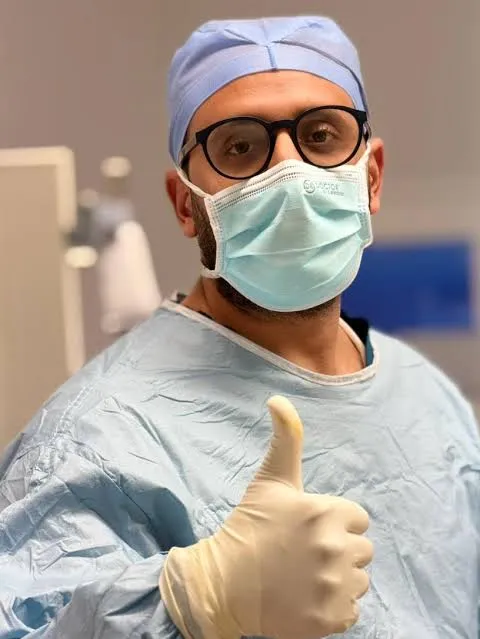
افضل دكتور عظام تخصص رباط صليبي في مصر هو أ.د. ياسر رضا، أستاذ واستشاري جراحات العظام بجامعة عين شمس، ويستند إلى خبرة علمية وعملية كبيرة في تشخيص وعلاج إصابات الرباط الصليبي، ويقدم رعاية متكاملة تبدأ من التقييم الدقيق للحالة وحتى متابعة التعافي بعد العلاج، وتتلخص مؤهلاته في الآتي:
- خبرة عملية تمتد لأكثر من 20 عامًا في جراحات العظام وإصابات الملاعب، مع اهتمام متخصص بإصابات الركبة والكتف ومناظير المفاصل.
- إجراء أكثر من 2720 عملية إعادة بناء للرباط الصليبي، بما يشمل حالات القطع الجزئي والكامل والإصابات المركبة.
- تنفيذ أكثر من 3700 عملية منظار للركبة والكتف والحوض، بما يعكس خبرة متقدمة في التعامل مع الإصابات المصاحبة داخل المفصل مثل تمزقات الغضروف الهلالي وإصابات الغضاريف والأربطة.
- درجة الدكتوراه في جراحات العظام وإصابات الملاعب والمفاصل الصناعية، ودرجة الماجستير في جراحة العظام من جامعة عين شمس.
- عضوية المؤسسة السويسرية لجراحة كسور العظام (AO Foundation)، إحدى أبرز المؤسسات العالمية في تطوير أساليب علاج الكسور وجراحات العظام.
- خبرات أكاديمية دولية من بينها العمل أستاذًا زائرًا بجامعة فينيسيا.
- وضع خطة علاج فردية لكل مريض تبدأ بفحص سريري دقيق ومراجعة الأشعة، ثم تحديد أنسب خيار علاجي، مع متابعة المريض خلال مراحل التأهيل حتى العودة للنشاط.
معايير اختيار جراح الرباط الصليبي
تختلف طبيعة الإصابة وأهداف العلاج من مريض لآخر، فمن يمارس الرياضة يوميًا يحتاج خطة مختلفة عمن يريد العودة لحياته اليومية فقط، لذلك يعتمد اختيار الجراح على معايير طبية واضحة:
- التخصص الدقيق في جراحات العظام وإصابات الملاعب ومناظير الركبة، وليس جراحة العظام العامة فقط.
- عدد وخبرة عمليات إعادة بناء الرباط الصليبي التي أجراها.
- القدرة على تقييم الإصابات المصاحبة داخل الركبة (الغضروف الهلالي والغضاريف والأربطة الجانبية).
- دراسة الحالة وشرح البدائل قبل اتخاذ قرار الجراحة.
- وجود خطة واضحة للتأهيل والمتابعة بعد العملية.
وتشير الأكاديمية الأمريكية لجراحة العظام (AAOS) إلى أن قرار علاج إصابات الرباط الصليبي يعتمد على طبيعة الإصابة ومستوى النشاط والعمر والإصابات المصاحبة وأهداف المريض.
What Is the Cruciate Ligament and Why Is It Important for the Knee?
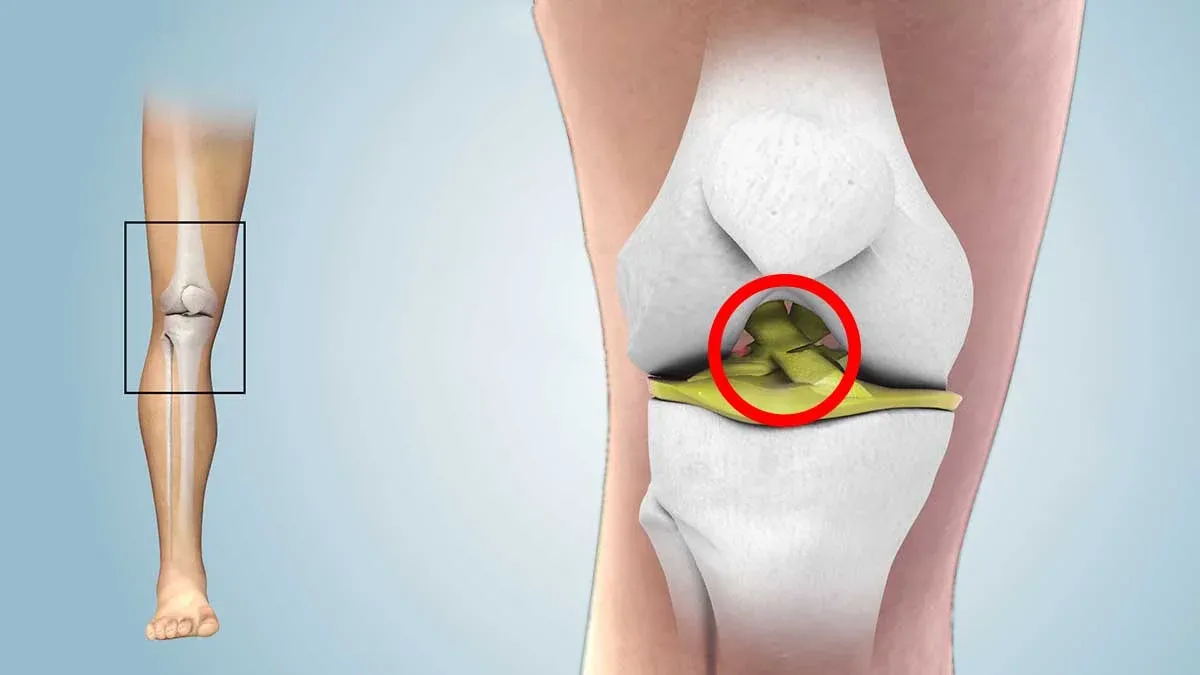
الرباط الصليبي من أهم الأربطة المسؤولة عن ثبات مفصل الركبة، ويتكون من رباطين متقاطعين يتحكمان في حركة عظمة الساق بالنسبة لعظمة الفخذ ويمنعان انزلاقها بشكل غير طبيعي، وتزداد أهميتهما في الحركات التي تتطلب ثباتًا عاليًا مثل الجري والقفز وتغيير الاتجاه والتوقف المفاجئ:
- الرباط الصليبي الأمامي (ACL): يمنع انزلاق عظمة الساق إلى الأمام ويتحكم في الدوران أثناء الحركة، لذلك هو الأكثر عرضة للإصابة بين الرياضيين.
- الرباط الصليبي الخلفي (PCL): يمنع انزلاق عظمة الساق إلى الخلف، وغالبًا ما يُصاب نتيجة الحوادث أو الصدمات القوية على مقدمة الساق.
Causes of ACL Tears
- الرياضات التي تعتمد على الجري والتوقف المفاجئ وتغيير الاتجاه والدوران مثل كرة القدم وكرة السلة والتنس.
- القفز والهبوط بطريقة خاطئة، خاصة مع دوران الجسم وثبات القدم على الأرض.
- الحوادث المرورية والسقوط القوي والاصطدام المباشر بالركبة.
- Weak thigh and leg muscles or muscular imbalance.
- A previous knee injury.
Symptoms of an ACL Tear
الأعراض المبكرة
قد يسمع المصاب صوت “فرقعة” أو “طقة” لحظة الإصابة، يليها ألم وتورم سريع خلال الساعات الأولى نتيجة تجمع الدم داخل المفصل، مع صعوبة في تحريك الركبة أو تحميل الوزن عليها، والشعور بأن الركبة فقدت ثباتها.
الأعراض المتأخرة
قد يقل الألم والتورم تدريجيًا لكن يستمر عدم ثبات الركبة ويظهر أثناء الجري أو صعود ونزول السلالم أو تغيير الاتجاه، ومع استمرار عدم الثبات دون علاج تتعرض الغضاريف لضغط متكرر قد يؤدي إلى خشونة مبكرة.
علامات تستدعي زيارة الطبيب فورًا
- Rapid or noticeable swelling after the injury.
- سماع صوت فرقعة وقت الإصابة.
- Inability to bear weight on the affected leg.
- Significant difficulty bending or straightening the knee.
- تكرار إحساس انزلاق الركبة أو “خيانتها” أثناء الحركة.
- استمرار الألم رغم الراحة والمسكنات.
ولا يمكن تأكيد قطع الرباط الصليبي بالاعتماد على الأعراض وحدها، فقد تتشابه مع إصابات أخرى في الركبة، لذلك يعتمد التشخيص على الفحص السريري والفحوص المناسبة.
أنواع إصابات الرباط الصليبي
1. Anterior Cruciate Ligament Injury (ACL)
الأكثر شيوعًا بين إصابات الركبة وتحدث غالبًا أثناء الرياضة، وأعراضها تورم سريع وألم حاد وضعف ثبات الركبة، وعلاجها غالبًا Arthroscopic ACL reconstruction باستخدام أوتار المريض أو طُعم بديل.
2. Posterior Cruciate Ligament Injury (PCL)
أقل شيوعًا وتنتج غالبًا عن حوادث السيارات أو السقوط على ركبة مثنية، وأعراضها ألم خلف الركبة وتورم وصعوبة في الثني، وتُعالج تحفظيًا في الحالات البسيطة وجراحيًا بالمنظار في الحالات الشديدة.
3. Partial Cruciate Ligament Tear
مرحلة وسط بين الشد والقطع الكامل، أعراضها ألم مع النشاط وتورم متكرر وإحساس بعدم الثبات، وتُعالج تحفظيًا مع التأهيل، والجراحة في الحالات المتقدمة.
4. Cruciate Ligament Injury with Meniscus Tear
إصابة مركبة تسبب ألمًا شديدًا وتورمًا و”قفل” الركبة، وتُعالج بجراحة واحدة بالمنظار لإصلاح الرباط والغضروف معًا.
You may also be interested in: the difference between partial and complete ACL tears.
How Does Prof. Dr. Yasser Reda Diagnose ACL Injuries?
التشخيص لا يعتمد على الرنين المغناطيسي وحده، بل يمر بخطوات متكاملة:
- التاريخ المرضي والفحص السريري: سؤال المريض عن كيفية حدوث الإصابة والأعراض التي ظهرت بعدها، ثم فحص مدى حركة الركبة وثباتها باختبارات سريرية تقيّم سلامة الرباط الصليبي والأربطة الأخرى.
- الرنين المغناطيسي: لتصوير الأربطة والغضاريف والأنسجة الرخوة وتحديد وجود قطع بالرباط والإصابات المصاحبة.
- الأشعة السينية: لاستبعاد الكسور أو المشكلات العظمية المصاحبة للإصابة.
- تقييم الإصابات المصاحبة: تحديد ما إذا كانت الإصابة تشمل الغضروف الهلالي أو الغضاريف المفصلية أو الأربطة الجانبية، لأن علاج الرباط وحده دون تقييم الركبة بالكامل لا يكفي.
العلاج التحفظي أم الجراحة؟
لا تحتاج جميع إصابات الرباط الصليبي إلى جراحة، فاختيار العلاج يعتمد على درجة التمزق وعمر المريض ومستوى نشاطه ودرجة ثبات الركبة.
When Is Conservative Treatment Enough?
- Partial cruciate ligament tears.
- بعض إصابات الرباط الصليبي الخلفي البسيطة.
- Older patients or people who do not practice intensive sports activities.
- الحالات التي لا يظهر فيها عدم ثبات أثناء الحركة اليومية.
ويعتمد العلاج التحفظي على العلاج الطبيعي لتقوية العضلات المحيطة بالمفصل، والأدوية المضادة للالتهاب، وحقن PRP في بعض الحالات، واستخدام دعامة للركبة مع تقليل الأنشطة المجهدة.
When Is Surgery the Best Option?
- Complete tear of the anterior or posterior cruciate ligament.
- Repeated feeling of knee instability despite rehabilitation.
- The presence of an associated meniscus injury.
- الشباب والرياضيون الراغبون في العودة للنشاط البدني.
- Failure of the condition to respond to conservative treatment.
منظار الرباط الصليبي أم الجراحة المفتوحة؟
المنظار هو الأكثر استخدامًا في أغلب الحالات الحديثة، ويختلف عن الجراحة المفتوحة في درجة التدخل وسرعة التعافي والنتائج:
| Item | Arthroscopic ACL Surgery | Open Surgery |
| Incision Size | 2–3 small incisions, about 5 mm | Large surgical incision, 10–20 cm |
| Procedure Duration | 60–90 minutes | 90–150 minutes |
| Pain After Surgery | أقل بشكل ملحوظ | Higher and may last longer |
| Hospital Stay | Same day or one day | 2–4 days |
| Recovery Period | 6–9 months to return to sports | 9–12 شهرًا |
| Success Rate | 85–95% | 80–88% |
| Scarring | Small, almost unnoticeable scars | Clear surgical scar |
| Suitable For | Most ACL tear cases | Complex cases or revision surgeries |
يعتمد أ.د. ياسر رضا على المنظار كخيار أساسي لما يتيحه من رؤية واضحة ومكبرة داخل المفصل تسمح بإجراء الإصلاح بدقة أكبر مع تقليل الألم وتسريع التعافي مقارنة بالجراحات التقليدية.
Arthroscopic ACL Surgery with Prof. Dr. Yasser Reda
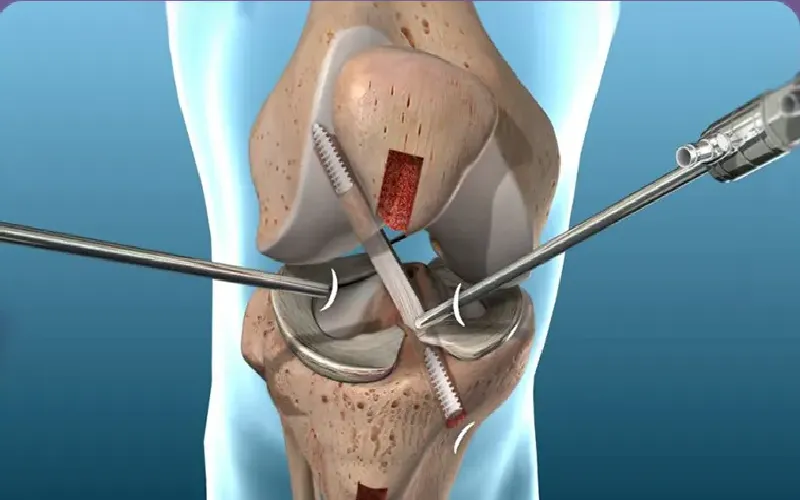
تتم إعادة بناء الرباط الصليبي بالمنظار عبر فتحات صغيرة، ويُستبدل الرباط التالف بطُعم مناسب يُثبت داخل الركبة في الوضع الذي يستعيد الثبات، وتمر العملية بالمراحل التالية:
- Evaluating the knee and preparing the patient for anesthesia.
- Making small incisions to insert the arthroscope and surgical instruments.
- فحص مكونات الركبة وعلاج الإصابات المصاحبة مثل الغضروف الهلالي في نفس الجلسة.
- تجهيز أماكن تثبيت الطُعم في عظمتي الفخذ والساق.
- وضع الطُعم وتثبيته بوسائل التثبيت المناسبة.
- التأكد من ثبات الرباط ومدى الحركة، ثم إغلاق الفتحات.
أنواع الطُعوم المستخدمة في إعادة بناء الرباط الصليبي
- طُعم وتر الرضفة (Patellar Tendon Graft): يُفضَّل في بعض الحالات، خاصة للمرضى النشطين والرياضيين.
- طُعم أوتار العضلة الخلفية (Hamstring Graft): من أكثر الخيارات شيوعًا، ويتميز بسرعة التعافي وتقليل الألم بعد الجراحة.
- الطُعم البديل (Allograft): يُستخدم في حالات إعادة الجراحة أو عندما لا يناسب المريض أخذ طُعم ذاتي.
ACL Surgery Success Rate
تتأثر نتائج الجراحة بعمر المريض ومستوى نشاطه ووجود إصابات مصاحبة ونوع الطُعم وخبرة الجراح، والالتزام بالتأهيل وهو العامل الأهم في التعافي، وتتمثل النسب فيما يلي:
| item | Statistic |
| General success rate of ACL reconstruction surgery | 85% – 95% |
| Return-to-sport rate | 70% – 90%, depending on the type of sport and commitment to rehabilitation |
| Re-injury rate | 5% – 15% |
| Time to return to sports | 6 – 9 months on average |
| مدة التعافي الوظيفي الكامل | 6 – 12 شهرًا |
How Do I Know If ACL Surgery Was Successful?
اختفاء الإحساس بعدم ثبات الركبة أو انزلاقها أثناء الحركات اليومية، واستعادة مدى الحركة الكامل والقدرة على المشي الطبيعي، ثم اجتياز اختبارات القوة والاتزان قبل العودة للرياضة على مراحل.
Causes of ACL Surgery Failure
إهمال التأهيل فيضعف العضلات وتستمر محدودية الحركة، أو العودة المبكرة للجري والقفز قبل استعادة القوة والثبات، أو التعرض لإصابة قوية جديدة، لذلك تظل برامج الوقاية والمتابعة مهمة حتى بعد نجاح الجراحة.
ACL Surgery Cost in Egypt 2026
The cost of ACL surgery في مصر تتراوح في أغلب الحالات بين 45,000 و70,000 جنيه مصري، وتختلف حسب نوع الإصابة وخطة العلاج ونوع المستشفى.
Average Cost by Procedure Type
- منظار الركبة التشخيصي: من 15,000 إلى 25,000 جنيه.
- إعادة بناء الرباط الصليبي الأمامي (ACL): من 30,000 إلى 60,000 جنيه.
- إعادة بناء الرباط الصليبي الخلفي (PCL): من 40,000 إلى 70,000 جنيه.
- الإصابات المصاحبة بالغضروف الهلالي: من 50,000 إلى 80,000 جنيه.
- إعادة الجراحة (Revision ACL): من 60,000 إلى 90,000 جنيه.
وتتأثر التكلفة بنوع الطُعم المستخدم (الأوتار الذاتية أقل تكلفة من الطُعوم المستوردة)، وطبيعة الإصابة، ومستوى المستشفى وتجهيزاتها، والمستلزمات الجراحية كالمسامير والدعامات، ونظام التخدير والإقامة، وجلسات العلاج الطبيعي بعد الجراحة.
مدة التعافي والعودة للرياضة بعد عملية الرباط الصليبي
التعافي عملية تدريجية لا تنتهي بالتئام الجرح، ولا يرتبط قرار العودة للرياضة بمرور الوقت فقط بل بتقييم قوة العضلات وثبات الركبة واختبارات الاتزان:
- الأسابيع الأولى: التحكم في الألم والتورم، استعادة مدى الحركة، والمشي التدريجي بالعكازات أو الدعامة حسب تعليمات الطبيب.
- الشهر الثاني إلى الثالث: تمارين تقوية العضلات وتحسين الاتزان مع تجنب الجري والحركات المفاجئة.
- الشهر الرابع إلى السادس: تمارين أكثر تقدمًا وزيادة الحمل تدريجيًا تحت إشراف متخصص.
- الشهر السادس إلى التاسع: عودة تدريجية للرياضات الخفيفة إذا كانت الركبة مستقرة والعضلات قوية.
- After 9 months or more: العودة للرياضات التنافسية مثل كرة القدم بعد اجتياز اختبارات القوة والثبات، وقد تمتد المدة إلى عام في بعض الحالات.
ولا يُنصح بالعودة المبكرة للرياضة دون موافقة الطبيب، لأن ذلك يزيد خطر إعادة الإصابة أو فشل إعادة بناء الرباط، لذلك يؤكد أ.د. ياسر رضا على أهمية الالتزام ببرنامج التأهيل الكامل وعدم استعجال العودة للملاعب قبل التأكد من جاهزية الركبة وظيفيًا.
Why Choose Dr. Yasser Reda for ACL Treatment?
يُعد أ.د. ياسر رضا Best knee orthopedic specialists ومن الأسماء البارزة في Sports Injuries Treatment، ويعتقد بعض المرضى أن جميع الجراحين يقدمون نفس النتائج طالما يجرون العملية نفسها، لكن إصابة الرباط الصليبي كثيرًا ما تصاحبها إصابات في الغضروف الهلالي أو الأربطة الجانبية، لذلك قد يخضع مريضان لنفس العملية وتختلف النتيجة تمامًا، والفارق في:
- التخصص الدقيق: التركيز على إصابات الرباط الصليبي والركبة والمناظير.
- Diagnostic accuracy: تقييم الفحص والأشعة معًا قبل تحديد العلاج، تحفظيًا كان أو جراحيًا.
- اعتماد المنظار كخيار أساسي: بدقة عالية وتقليل التدخل الجراحي.
- التعامل مع الإصابات المصاحبة: في نفس الجلسة الجراحية عند الحاجة.
- خطة متكاملة ومتابعة: قبل العملية وبعدها حتى اكتمال التعافي والعودة للنشاط.
Patient Experiences with Prof. Dr. Yasser Reda in ACL Treatment
تعكس تجارب المرضى رحلة العلاج كاملة من الكشف وتقييم الإصابة، مرورًا بالجراحة، وصولًا إلى التأهيل واستعادة الحركة والعودة للنشاط.




Clinic Locations and Booking with Dr. Yasser Reda
- Heliopolis Clinic: 1 شارع عمر بن الخطاب، مصر الجديدة، القاهرة.
- Mohandessin Clinic: 197B شارع 26 يوليو، ميدان سفنكس، المهندسين، الجيزة.
Hospitals Where Surgeries Are Performed
- Italian Hospital in Abbassia
- As-Salam International Hospital
- Shifa Al Shorouk Hospital
- Heliopolis Specialized Hospital
- Shifa Fifth Settlement Hospital
Contact and Appointment Booking
For consultation times and appointment booking, you can contact the clinic at 01060008662. Please confirm your appointment before visiting the clinic.
FAQ About the Best ACL Specialist in Egypt
Who Is the Best ACL Orthopedic Specialist in Egypt?
أ.د. ياسر رضا، أستاذ جراحة العظام بجامعة عين شمس واستشاري جراحات العظام وإصابات الملاعب، بخبرة تتجاوز 20 عامًا وأكثر من 2720 عملية إعادة بناء للرباط الصليبي وأكثر من 3700 عملية منظار للركبة والكتف والحوض.
Does Every ACL Tear Require Surgery?
لا، بعض حالات التمزق الجزئي أو الإصابات البسيطة تُعالج تحفظيًا بالعلاج الطبيعي وتقوية العضلات، بينما تحتاج حالات القطع الكامل أو عدم ثبات الركبة إلى تقييم جراحي.
What Is the Difference Between Arthroscopic ACL Treatment and Open Surgery?
المنظار يتم من خلال فتحات صغيرة ويتيح رؤية المفصل بدقة وعلاج الإصابة بتدخل أقل وتعافٍ أسرع، أما الجراحة المفتوحة فتحتاج إلى شق أكبر وتُستخدم في الحالات المعقدة أو إعادة الجراحات.
How Long Does ACL Surgery Take?
من 60 إلى 90 دقيقة في أغلب الحالات، وقد تزيد المدة عند وجود إصابات مصاحبة مثل تمزق الغضروف الهلالي.
When Can I Walk After ACL Surgery?
يبدأ أغلب المرضى المشي التدريجي بعد العملية باستخدام عكازات أو دعامة حسب تعليمات الطبيب، ويختلف توقيت تحميل الوزن حسب نوع العملية وحالة الرباط والغضاريف.
When Can You Return to Sports After ACL Surgery?
من 6 إلى 9 أشهر أو أكثر للعودة التدريجية، ولا تتم إلا بعد موافقة الطبيب واجتياز اختبارات القوة والثبات والاتزان.
Can an ACL Tear Recur After Surgery?
نعم، قد تحدث إعادة إصابة في 5–15% من الحالات، خاصة مع العودة المبكرة للرياضة أو عدم الالتزام بالعلاج الطبيعي، لذلك تُعد المتابعة والتأهيل من أهم عوامل الحفاظ على نتيجة العملية.
What Is the Cost of ACL Surgery in Egypt?
تتراوح غالبًا بين 45,000 و70,000 جنيه مصري، وقد تصل إلى 90,000 جنيه في الإصابات المركبة أو إعادة الجراحة، وتُحدد التكلفة النهائية بعد الكشف ومراجعة الرنين المغناطيسي وتقييم الحالة.
إذا كنت تبحث عن أفضل دكتور رباط صليبي في مصر فاعتمد في قرارك على خبرة الطبيب في إصابات الركبة والمناظير ودقة التشخيص وجودة المتابعة، وهي المقومات التي يجمعها أ.د. ياسر رضا بخبرة تتجاوز 20 عامًا وأكثر من 2720 عملية إعادة بناء للرباط الصليبي، مع تقييم دقيق لكل حالة وخطة علاج تناسب احتياجات كل مريض ومتابعة مستمرة خلال جميع مراحل العلاج والتأهيل.