

Shoulder osteoarthritis symptoms vary according to the accident the patient experienced and other factors. People rely heavily on the shoulder joint in daily life because it controls rotation of the arm. It is also one of the body’s unstable joints. When osteoarthritis develops, the person feels severe shoulder pain and may be unable to perform even simple activities.
Shoulder osteoarthritis is increasingly discussed, but which symptoms confirm the condition? This article explains shoulder osteoarthritis, its symptoms, diagnosis and the main treatments Prof. Dr. Yasser Reda provides. He uses the best methods, modern equipment and devices to provide the best medical care. The center also provides several nonsurgical treatments. Continue reading to the end.
What Is Shoulder Osteoarthritis?
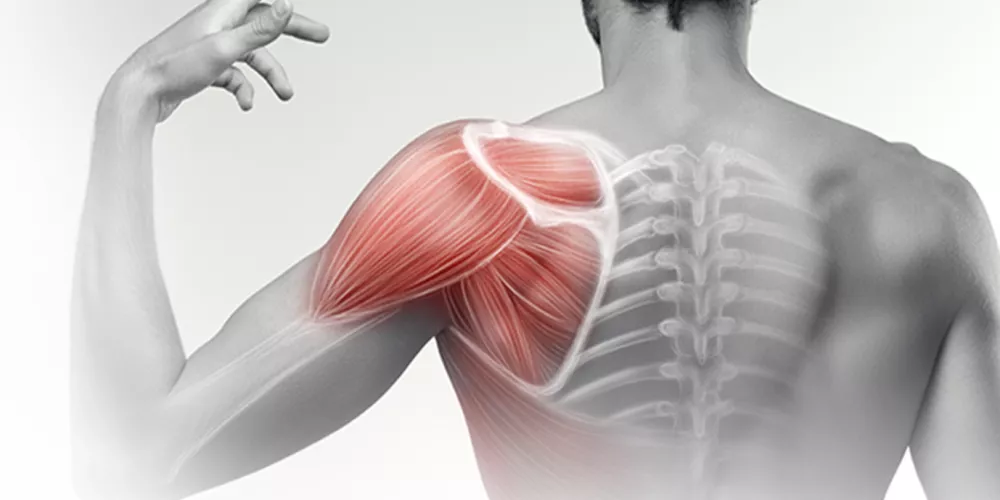
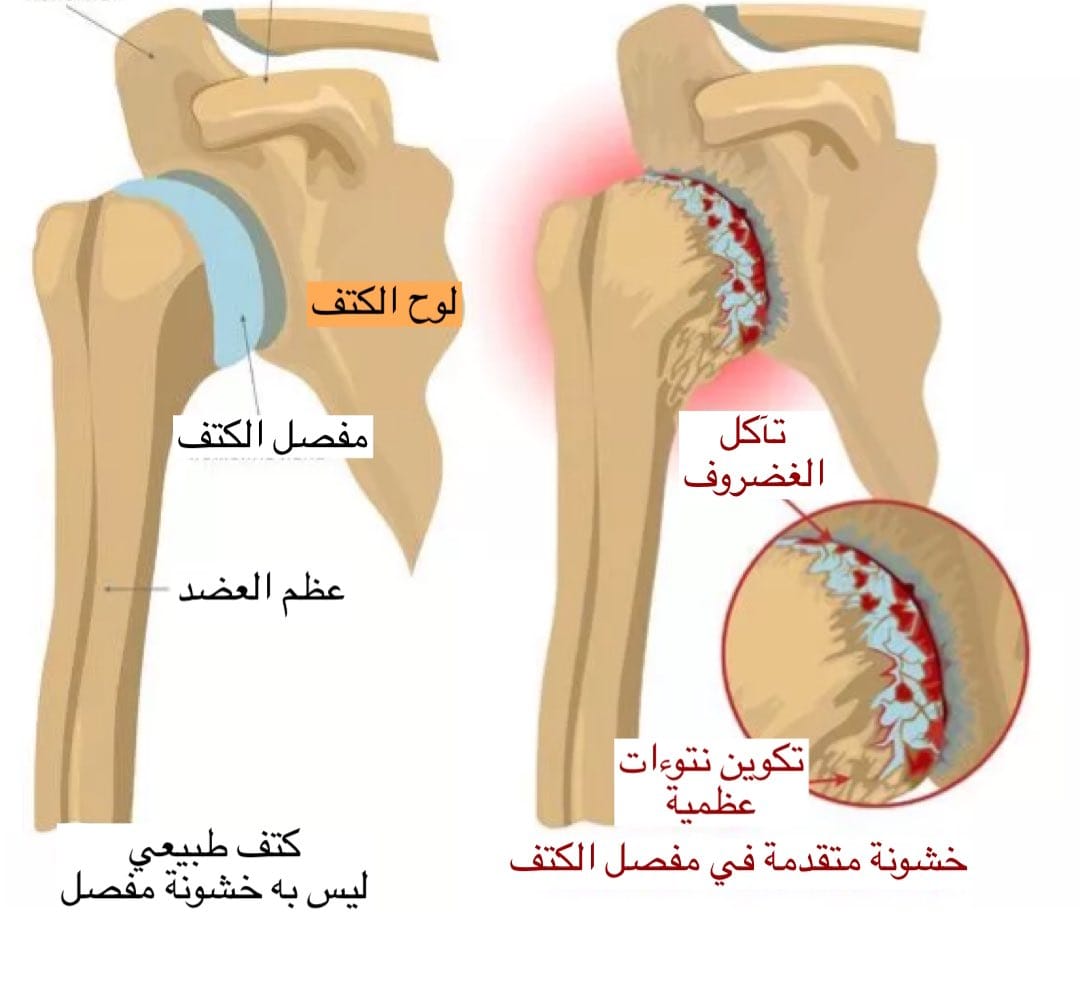
Before discussing shoulder osteoarthritis, consider the shoulder’s structure. It consists of three bones, two joints, ligaments, tendons and muscles. Osteoarthritis causes pain in the joint at the upper end of the humerus, called the glenohumeral joint, and the glenoid cavity. It results from wear of the cartilage in this joint. Muscles and ligaments stabilize the joint, while muscles help the shoulder move easily.
Although shoulder osteoarthritis is less common than knee osteoarthritis, neglect can make it worse. Anyone with shoulder pain should consult an orthopedic doctor. Prof. Dr. Yasser Reda has many years of experience in this field and holds several international certificates from global universities in orthopedics generally and shoulder osteoarthritis particularly. Book an appointment at his center now.
Symptoms of Shoulder Osteoarthritis
Shoulder osteoarthritis symptoms begin with mild shoulder pain that may disappear and return occasionally. These are initial symptoms. Symptoms requiring attention and medical consultation include:
- Limited Movement and Joint Stiffness: The patient may be unable to move the arm or lift even light objects.
- Localized Shoulder Tenderness: The patient may be unable to move the arm backward, particularly when combing their hair or trying to wear tight clothing.
- General Weakness of Movement: When moving the arm, the patient may hear clicking in the shoulder because of friction between the two bones.
- Joint Inflammation and Redness: When pain develops, redness and swelling begin to appear around the shoulder, prompting the patient to investigate their cause.
Types of Shoulder Osteoarthritis
There are four types of shoulder osteoarthritis:
- Rheumatoid Arthritis: Rheumatoid arthritis is a common type of inflammation affecting joints throughout the body, particularly the shoulder and knee. It causes swelling and inflammation of the lining around the joints, which lubricates the shoulder joint and supports easy movement.
- Osteoporosis: Most people develop osteoporosis at age 50, leading to wear of the cartilage in the acromioclavicular joint and pain when joint bones rub together. Women are more vulnerable than men because of hormonal changes in the body.
- Arthritis After a Rotator Cuff Tear: A rotator cuff tear with arthritis causes severe pain, weakness and inability to move the entire arm.
- Post-Traumatic Arthritis: An accident such as a fall from height that fractures the arm or dislocates the shoulder may lead to joint inflammation and osteoarthritis.
Diagnosing Shoulder Osteoarthritis
After reviewing shoulder osteoarthritis symptoms and types, the patient needs diagnosis by a doctor. Symptoms alone are insufficient, and a precise diagnosis is available at Prof. Dr. Yasser Reda’s center. Assessment methods include:
- Manual Examination: The doctor examines the patient by hand to detect shoulder swelling or redness and asks the patient to move the arm to assess whether shoulder movement is normal.
- X-rays: The doctor requests X-rays to view the joints and bones and determine the degree of wear or whether extra bone spurs are present in the shoulder.
- Ultrasound Imaging: The doctor assesses the condition of the ligaments and tendons inside the shoulder and whether they are damaged.
- Magnetic resonance imaging: This imaging provides a detailed view of the soft tissue around the affected joint.
- Identifying the Type of Osteoarthritis: Some conditions affecting the shoulder resemble osteoarthritis, including other muscular diseases and tendinitis.
- Assessing Movement: The patient performs movements to determine the degree of osteoarthritis and its effect on normal movement.
- Synovial Fluid Analysis: In some cases, a sample of synovial fluid is collected and analyzed in a laboratory.
Importance of Early Detection of Shoulder Osteoarthritis Symptoms
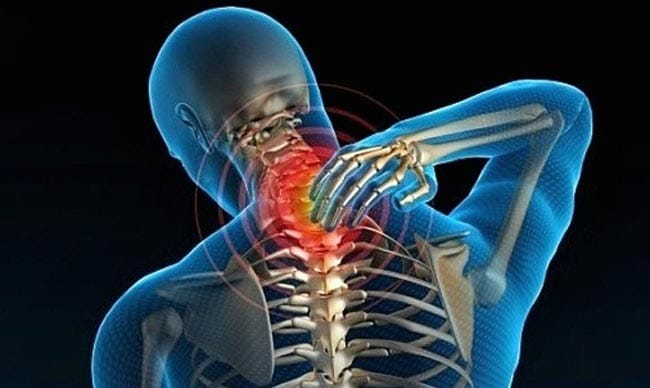
Early detection of any disease may substantially accelerate recovery. Benefits of detecting osteoarthritis symptoms early include:
- Preventing Health Deterioration: Detecting shoulder osteoarthritis early helps limit deterioration, complete joint damage and spread of osteoarthritis across the area, which would make treatment difficult.
- Avoiding Surgery: Some cases require surgery because treatment began late. Anyone who experiences shoulder osteoarthritis symptoms should therefore consult a doctor promptly.
- Pain relief: Starting treatment early reduces pain severity and helps the person carry out normal daily life.
- Preventing Complications: Detecting shoulder osteoarthritis early helps prevent disease progression, joint deformity and severe movement impairment.
Shoulder Osteoarthritis Treatment
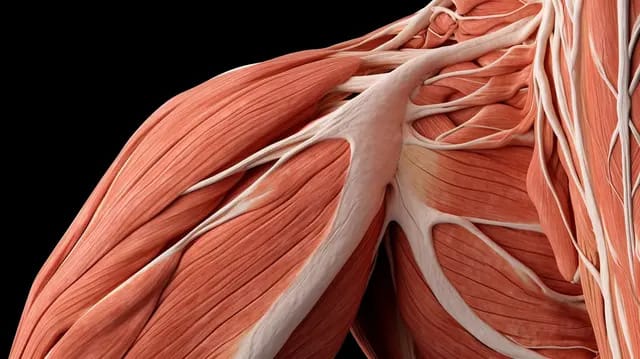
Prof. Dr. Yasser Reda offers several nonsurgical alternatives for shoulder osteoarthritis. The best and most suitable method is selected for the patient, then treatment begins. Treatment is divided into two types:
First: Nonsurgical Treatment for Shoulder Osteoarthritis
When the disease is detected early, the doctor may prefer to begin with physical therapy and conventional treatment without surgery. Examples include:
- Complete rest: Shoulder osteoarthritis symptoms may result from severe strain or strenuous work. In this case, the doctor asks the patient to rest completely for at least ten days.
- Physical therapy: Physical therapy plays a major role in relieving pain because exercises that strengthen the shoulder joint help it move normally again.
- Ice packs: For shoulder swelling or redness, apply ice packs to the affected area for 20 or 25 minutes at a time, preferably three times daily.
- Medication: When medication is needed, the patient may take nonsteroidal drugs that help relieve inflammation, such as aspirin, or use topical ointments or creams, provided they are used after consulting a doctor.

Second: Surgical Treatment for Shoulder Osteoarthritis
If the patient does not respond to the conventional treatments listed and pain and limited shoulder movement continue, the doctor may use surgical methods, including:
- Arthroscopy: Arthroscopy is used to examine the condition of the joint from inside, assess the effects of osteoarthritis and identify complications. The arthroscope is inserted through small openings, which are closed after the procedure. Arthroscopy reduces pain.
- Shoulder replacement: If all previous methods fail, shoulder replacement may be chosen. Replacement can be total or partial, as determined by the doctor according to the patient’s health.
- Regenerative treatment: Regenerative therapy is the newest treatment for shoulder osteoarthritis. This program eliminates pain and produces better results in a short period, God willing.
This concludes the article on shoulder osteoarthritis symptoms, which has presented details relevant to patients with this condition. Whatever the degree of osteoarthritis, we recommend consulting the best orthopedic doctor in Egypt Prof. Dr. Yasser Reda, because your health is safe with him.