
Knee cartilage treatment involves several stages that vary according to the patient’s condition and the extent of cartilage damage. most soccer players develop knee cartilage disease because of accidents and impacts on the field. A knee injury may cause several problems, including Meniscus, an articular cartilage injury and possibly a tear in one of the cruciate ligaments.
The knee contains several types of cartilage, tissues that help the joint move and the knee remain flexible without pain or friction. Cartilage is therefore among the knee’s most important tissues and should be protected. After an impact or accident involving the knee, seek medical attention instead of only taking pain relievers. A doctor such as Prof. Dr. Yasser Reda can determine suitable treatment for the condition.
For more details about knee cartilage treatment, the following sections explain cartilage, common symptoms and different treatment methods.
What Is Knee Cartilage?
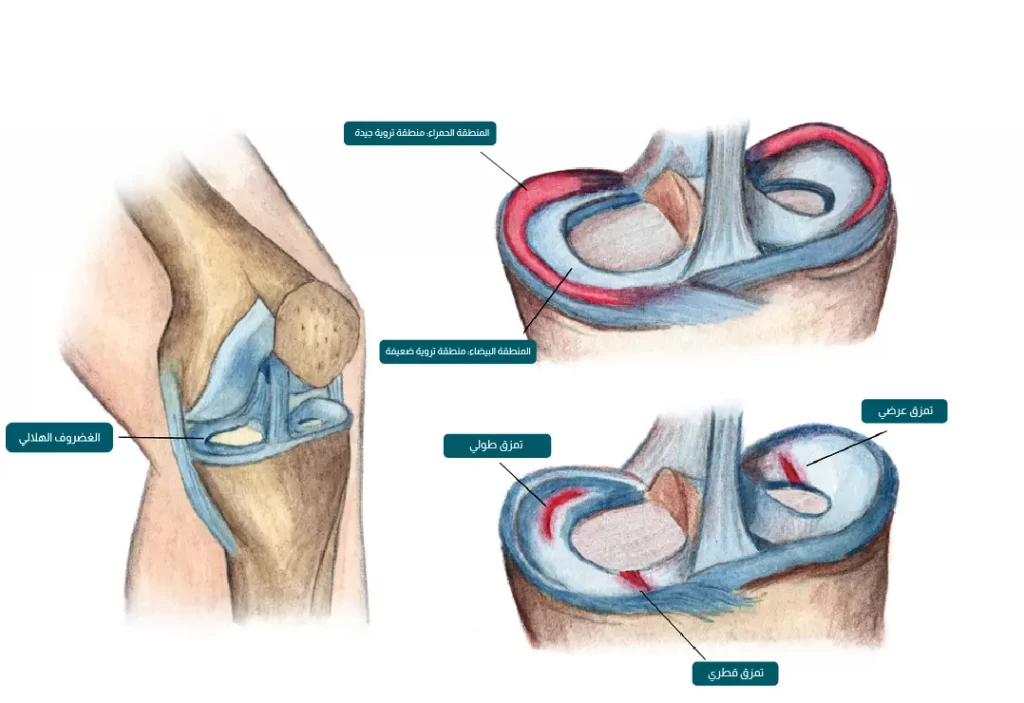
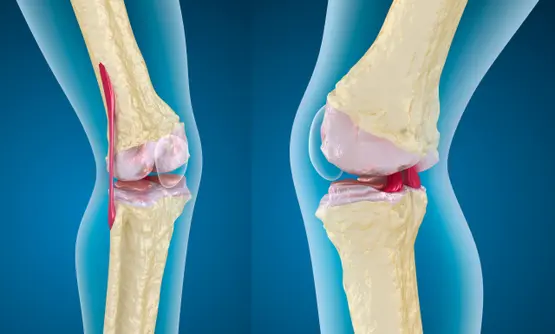
Knee cartilage is one of the body’s cartilage tissues. It contains a slippery substance that supports joint flexibility and covers the ends of joints to protect them from damage and friction. Damage can cause severe pain. the knee contains two types of cartilage:
- Meniscus: This cartilage protects and supports the joints and covers the ends of bones.
- Articular cartilage: This cartilage is located between the thighbone and the knee.
Symptoms of Knee Cartilage Damage
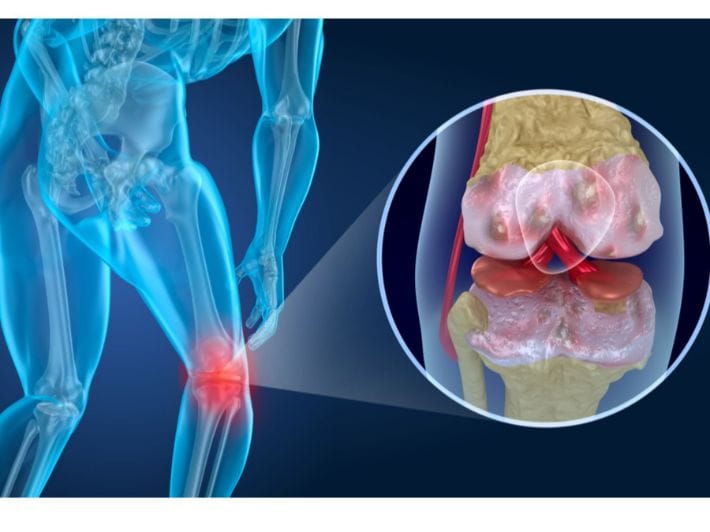
People with the same condition may experience different symptoms. Common symptoms include:
- Signs of swelling, including knee redness, puffiness and increased warmth around the knee.
- Persistent knee pain at rest that worsens with exertion.
- Inability to move the knee normally or twist and rotate it in any direction.
- Clicking or other sounds from the knee when bending it or walking.
- In severe cases, the joint may separate, causing bleeding in the joint and loose skin.
Causes of Knee Cartilage Damage
After reviewing common symptoms, it is important to understand the main causes of knee cartilage damage:
- Direct knee injury: A direct knee injury, such as a car accident or fall from height, can tear or damage the cartilage. Athletes are particularly exposed to such impacts.
- Lack of movement: Sitting for long periods and performing little daily activity can lead to knee stiffness. The knee joint needs regular movement to maintain strength and flexibility.
- Continuous pressure on the cartilage and tearing: Continuous pressure on the knee, such as lifting heavy objects from the floor while squatting, can increase stress on the joint.
- Genetics: genetic factors play a major role in knee problems because they are inherited diseases passed through generations.
- Excess weight: Severe obesity increases pressure on the knee and can damage cartilage and contribute to other conditions such as chronic inflammation, rheumatoid arthritis and bone wear. Maintaining a healthy weight and eating lower-calorie meals may help.
- Advancing age: Age may contribute to knee cartilage problems because joints weaken and activity may decrease.
- Autoimmune diseases: Some diseases cause cartilage wear and severe inflammation.
- High-impact sports: Some sports may contribute to knee cartilage injury when the body cannot tolerate their demands.
Diagnosing Symptoms of Knee Cartilage Damage
The patient should undergo an examination to identify the condition. Prof. Dr. Yasser Reda’s assessment methods include:
- The doctor asks the patient questions to understand the cause of the injury and their symptoms.
- During a clinical examination, the doctor locates the pain by palpating the knee and assessing swelling and redness.
- Undergo one of two tests: the Thessaly test or the McMurray test.
- The doctor may ask the patient to walk while observing joint movement.
- If these examinations do not identify the condition, the doctor may request imaging such as X-rays to detect fractures or other knee problems, and MRI, which provides detailed images of the joint, tissues and tendons and can identify cartilage tears.
- Arthroscopy: knee arthroscopy is used to identify and treat the patient’s problem during the same procedure. A thin instrument containing a camera is inserted into the knee through small openings to view the joint and repair significant damage at the same time. The openings are then closed again with simple sutures.
Knee Cartilage Treatment
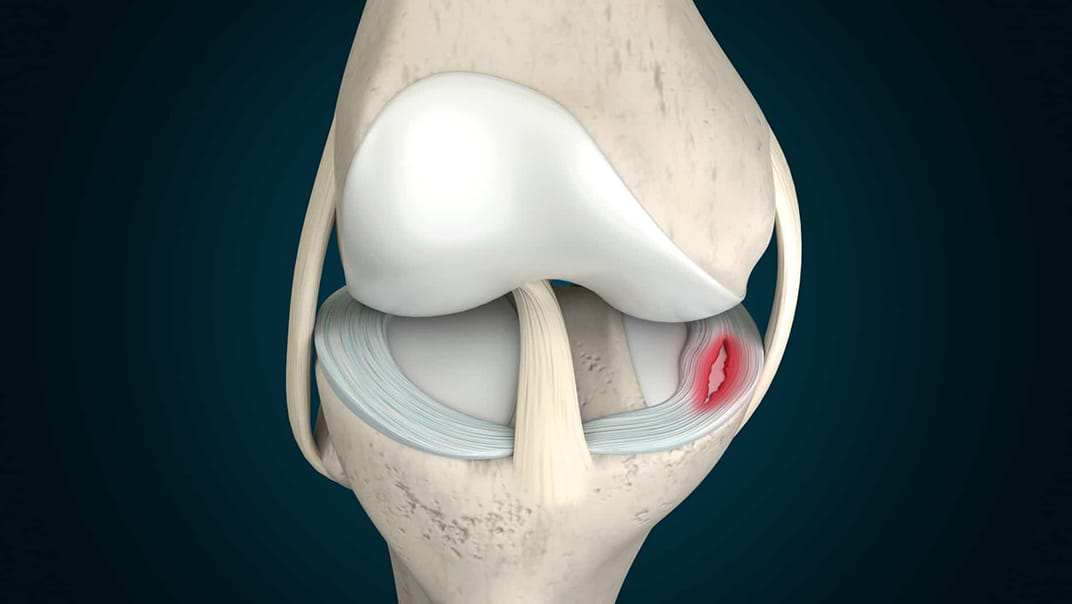
Knee cartilage treatment depends on several factors, including the patient’s age, injury type and symptom severity. There are two types of treatment:
First: Conservative Treatment
When a patient feels knee pain, they should follow Conservative Treatment before resorting to surgery. Examples of natural treatment methods
- Rest: When knee pain develops, rest and avoid placing pressure on the knee as much as possible. Avoid strenuous activities and consider using a crutch when walking to reduce pressure on the joint.
- Ice: Ice packs can relieve knee pain and reduce redness. Apply them for fifteen minutes at a time with the knee elevated, and repeat three to four times a day.
- Physical therapy: Exercises can strengthen the knee joint, support stability, restore strength and maintain flexibility.
- Knee brace: A knee brace may be used to stabilize the knee during strenuous work or sports such as soccer and basketball.
Second: Surgical Treatment
If pain continues after the patient has tried every conservative treatment, the doctor may use surgery to repair the knee and attempt to reconstruct the cartilage. The doctor removes damaged, loose cartilage and implants new cartilage in its place. The patient must follow a healthy regimen to support the procedure’s success including:
- Avoid climbing high stairs for at least three months after surgery.
- Do not participate in strenuous sports.
- Do not attempt to lift heavy weights.
- Do not take pain relievers without consulting a doctor.
- Begin physical therapy at the time specified by the doctor.
- Follow all instructions provided by the doctor.
What Causes Knee Cartilage Damage or Wear?
Causes of knee cartilage wear include sports injuries, excess weight, continuous pressure on the knee and muscle weakness.
What Role Does Physical Therapy Play in Knee Cartilage Treatment?
Physical therapy plays an important role in treating knee cartilage problems by strengthening the muscles around the knee and relieving pain. it accelerates recovery and a return to daily activities.
How Long Is Recovery After Knee Cartilage Surgery?
Recovery after knee cartilage surgery depends on the procedure. In most cases, recovery takes 4 to 6 weeks, although returning to all daily activities takes longer.
How Can Knee Cartilage Wear Be Prevented?
To reduce knee cartilage wear, perform exercises that strengthen the knee, maintain a healthy weight, avoid continuous knee pressure and wear athletic shoes during exercise.
Can Cartilage Regrow on Its Own?
Cartilage rarely regrows on its own because it has limited blood flow. advanced medical methods can restore and repair cartilage using platelet-rich plasma or stem-cell injections.
This article has reviewed several knee cartilage treatments. Prof. Dr. Yasser Reda advises patients to follow the guidance above, particularly maintaining a healthy diet. If knee cartilage symptoms appear, seek prompt medical advice because early treatment may make recovery and care easier. The best meniscus repair doctor determines the right method for each case after examination.