

Knee pain when bending and straightening is a common complaint. Knee pain can prevent normal movement and daily activity, so a quick and effective solution is needed. Many studies and research findings indicate that more than 30% develop these symptoms at an early age. Addressing symptoms when they first appear may prevent occasional pain from becoming a condition requiring months or years of treatment.
The following sections examine knee pain when bending and straightening, common causes, treatment and other important information for people experiencing these symptoms.
Causes of Knee Pain When Bending
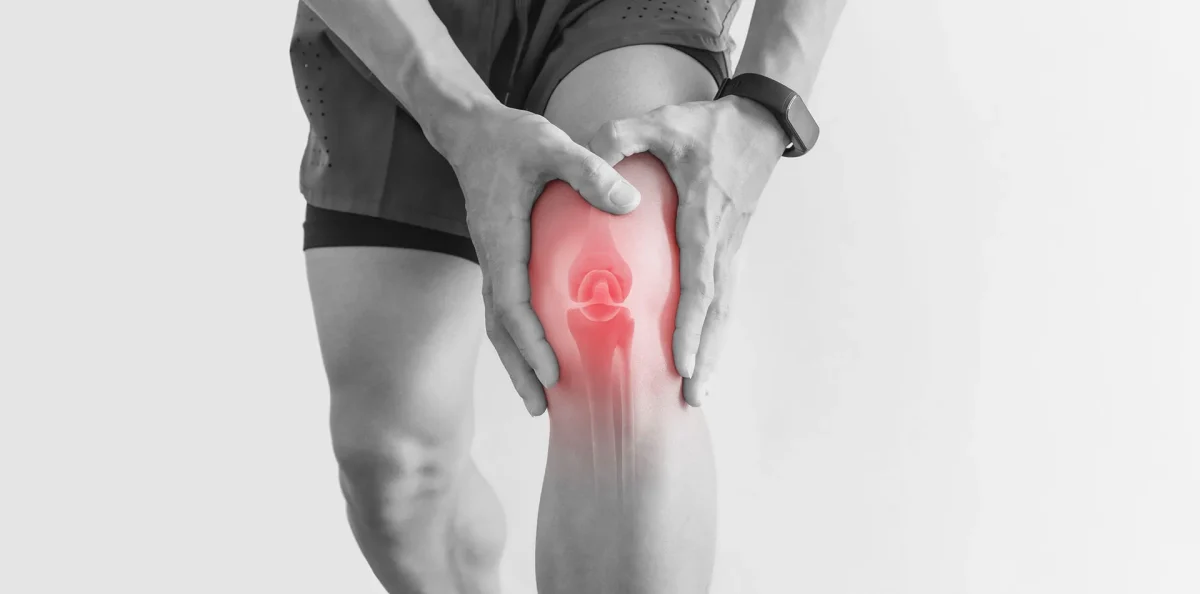
Knee pain often occurs because the cartilage between the patella and femur wears down, causing friction and pain. Although many people may experience this symptom, it should be treated so it does not become a serious condition. Common causes include:
- Thigh muscle weakness: Weakness of the thigh muscle can make the knee unstable and cause friction between the bones, leading to knee pain.
- Excessive exertion: Frequent strenuous effort and repeatedly bending and straightening the knee can cause several health problems, especially pain throughout the knee.
- A knee wound: A direct knee accident may move one of the two bones out of its correct position and cause pain.
- Dislocation of the patella: Several causes may move the patella out of position. Some people are born this way, and this can cause knee pain.
- Arthritis: Joint inflammation, especially degenerative arthritis, wears down cartilage and causes pain and discomfort.
- Runner’s knee: This term refers to breakdown of the cartilage behind the knee. Runner’s knee occurs in athletes because of substantial knee pressure and also affects people with excess weight.
- Patellar tendinitis: Patellar tendinitis, also called jumper’s knee, causes severe knee pain. The patellar tendon connects the knee to the shinbone.
- Bursitis: Inflammation of the knee bursa, a small fluid-filled sac beside the knee, can irritate or press on surrounding tissues and cause pain.
A common cause of knee pain when bending is an injury to the Meniscus, especially after a twist or sudden movement.
Factors That Increase Knee Pain When Bending
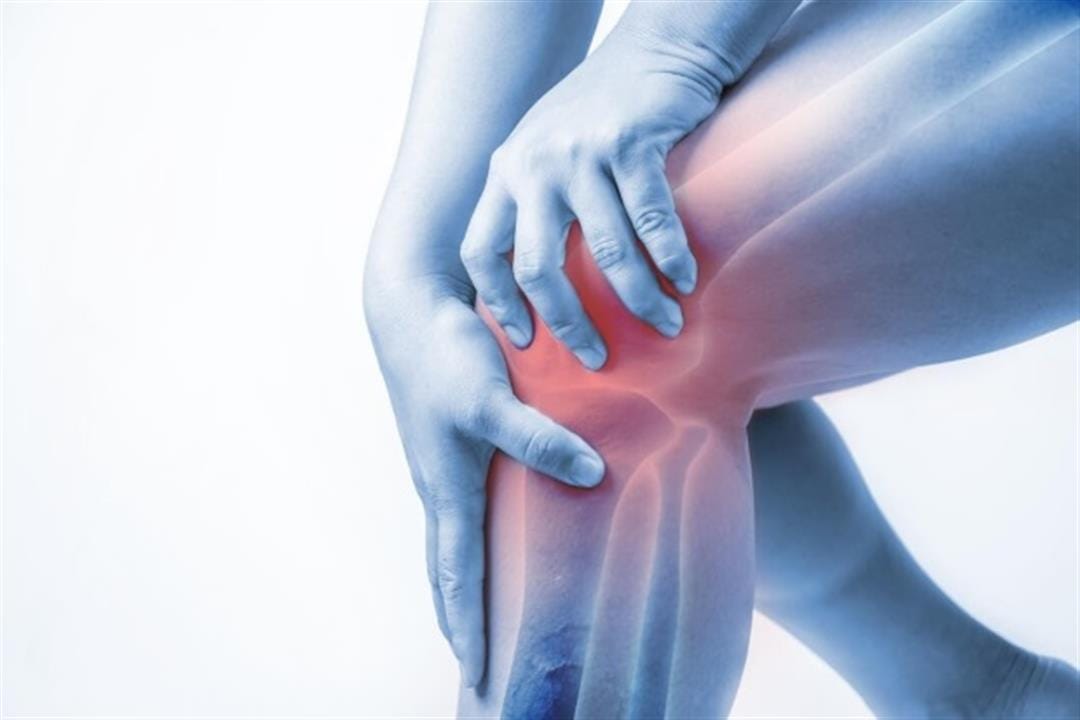
After reviewing common causes of knee pain when bending, avoid these causes when possible. Some factors may increase knee pain when bending and straightening, including:
- Sex: Several studies indicate that women are more likely to experience these symptoms because their muscle mass is considerably lower than men’s, which may cause the bone to move out of position.
- Flatfoot: Flat feet can be a major cause of knee pain because they place additional pressure on the knee.
- Age: Many diseases appear as people age, but knee pain is also widespread among young people and adolescents.
- Arthritis: Arthritis is one of the factors most likely to cause knee pain. Treating arthritis is recommended even when pain is absent because it may later progress to several knee problems.
How Knee Pain When Bending and Straightening Is Diagnosed
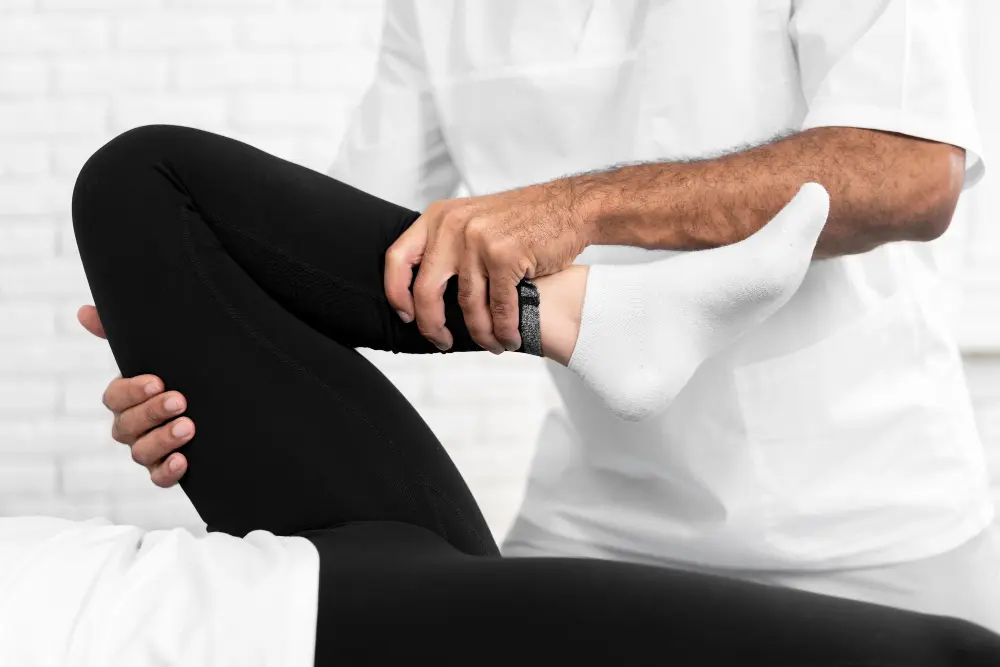
If you have knee pain when bending and straightening, consult an orthopedic doctor such as Prof. Dr. Yasser Reda, who is considered one of Egypt’s most skilled orthopedic doctors. He does not rely only on reported symptoms and may request imaging and tests, including:
- Clinical examination: When the patient arrives at Prof. Dr. Yasser Reda’s center, a physical examination is performed. The doctor presses on the knee to locate the pain and assess possible problems in the surrounding cartilage and tendons.
- Computed tomography: The patient may undergo a CT scan to check for knee fractures.
- X-rays: In some cases, the doctor may request X-rays to identify bone dislocation, joint inflammation or other findings that affect treatment.
- Magnetic resonance imaging: If the patient has severe, intolerable pain, the doctor may request MRI to check for inflammation or tears in the knee tendons and ligaments.
- Joint fluid culture: In some cases, the doctor takes a joint fluid sample and examines it under a microscope to determine whether an infection or crystal arthritis such as gout is present.
- Blood tests: Complete all blood tests requested by the doctor to check the blood samples for signs of a systemic inflammatory disorder.
Pain when bending and straightening is one of the many causes of knee pain and for this reason diagnosis begins by identifying the cause accurately.
Treatment for Knee Pain When Bending
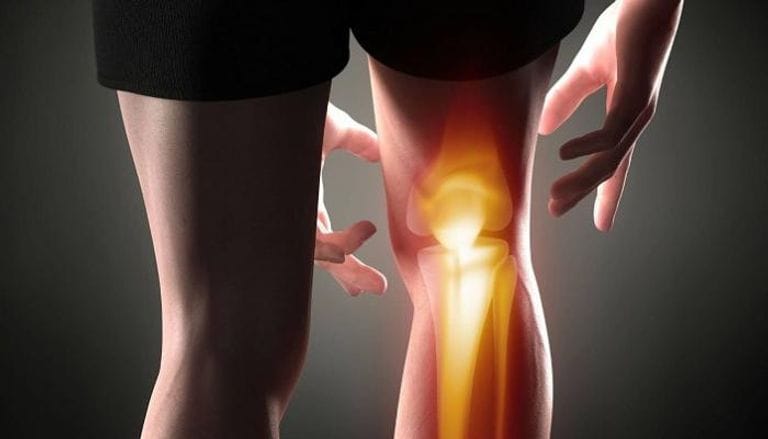
If symptoms occur only when bending and straightening the knee, this may indicate an early-stage problem that can be treated easily. Common symptoms include pain behind the patella and on both sides of the knee. Treatment methods include:
- Rest: Sometimes a person places pressure on the knee for a long time without noticing, causing pain. The patient should rest for a period determined by the doctor according to their health.
- Ice packs: Apply ice packs to the affected knee for no more than 10 to 15 minutes at a time.
- Take pain relievers: if the pain is not constant, it is preferable to take some simple pain relievers that reduce inflammation, provided this is under the supervision of the knee specialist.
- Lose excess weight: Excess weight can cause knee pain. Maintaining a healthy weight and eating healthy meals without excessive calories are recommended.
- Wear suitable footwear, especially if you have knee problems or your work requires standing for long periods.
- If all previous methods fail, the doctor may use surgery to relieve the pain. The surgical procedure is selected according to the patient’s health and symptoms.
Whatever symptoms you experience, treatment is available at Prof. Dr. Yasser Reda’s center. He is considered one of the best doctors for knee problems and holds several certificates in orthopedic surgery. This article covered knee pain when bending and straightening. Do not ignore knee pain, as it may affect the cartilage and tendons. Book an appointment and contact the team at Prof. Dr. Yasser Reda’s center.
If osteoarthritis is the cause, then Knee Osteoarthritis Treatment usually begins with non-surgical methods before surgery is considered.