
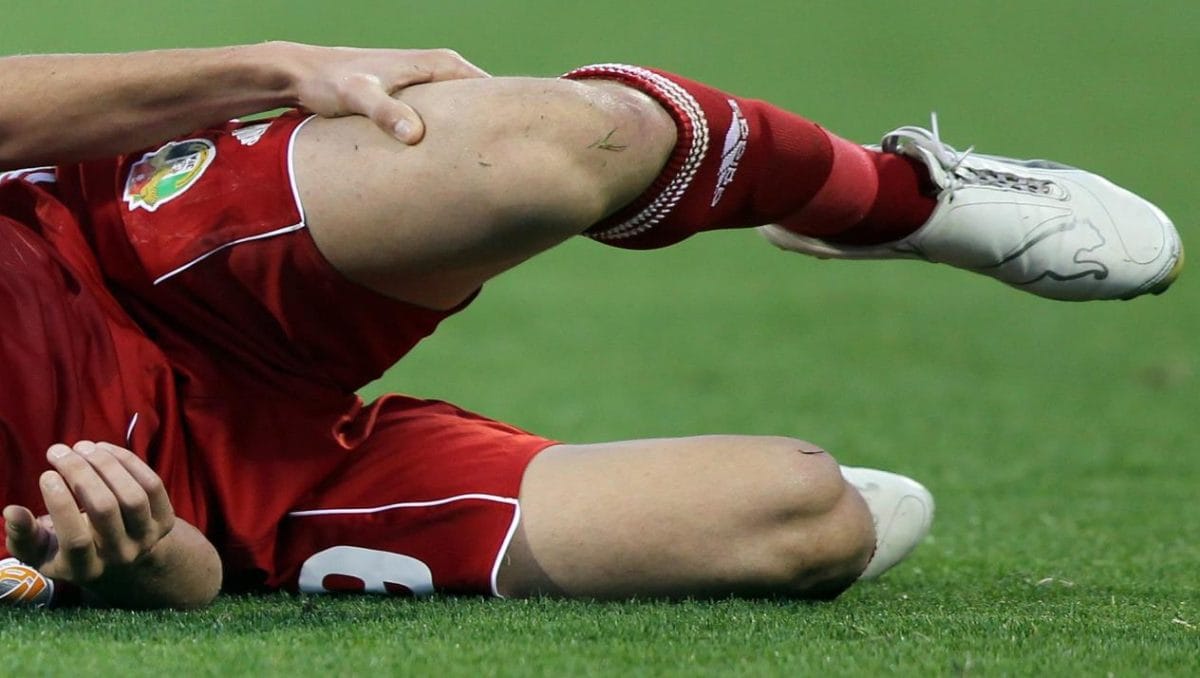
Can sports injuries be treated without surgery? Sports injuries are common among soccer players and participants in other sports. They may result from a lack of focus during a match or concentrating on a particular goal without considering other risks. These injuries are classified according to their type, severity and affected area, and treatment is determined based on this classification. Even when more than one player has the same injury, each requires an individual treatment method. This article explains further details and answers today's question.

Can Sports Injuries Be Treated Without Surgery?
Yes, sports injuries can be treated without surgery depending on the injury type. For a first-degree injury that does not affect the athlete's activity, traditional home treatments may be used to reduce pain and provide comfort. These methods include:
- Rest: After any injury, the injured person must stop playing sports immediately and avoid activities that cause pain. Rest should continue for at least two days or until the fatigue subsides
- Ice packs: If inflammation and redness occur after the injury, apply an ice pack to the injured area for ten minutes and repeat this three times daily
- Elevation: The injured area should be elevated above body level to relieve pressure on it
- Compression: If pain persists after trying all the previous methods, place a compression bandage on the injured area to apply pressure to the swelling.
- Physiotherapy: Many exercises help strengthen the muscles and relieve pain, but they must be performed under a specialist's supervision so the exercises can be matched to your health condition.

Common Sports Injuries
As mentioned, there are many types of sports injuries, and each injury differs from one person to another. The most common include:
- Ankle sprain: Many soccer players experience ankle sprains caused by incorrect foot movement, resulting in damage to the ligaments connecting the bones, along with swelling, redness and severe pain while walking. This requires surgery.
- ACL injury: An ACL injury is one of the most common sports injuries. It involves tearing of the ligament, resulting in rapid swelling, clicking while walking and persistent pain.
- Muscle Strain: This involves involuntary contractions of different muscles while playing and placing continuous pressure on the muscles. Causes of muscle strain include insufficient water in the body, high temperature and weak blood circulation caused by inadequate blood flow to the muscles.
- Head injuries: Head injuries are among the most serious injuries athletes may experience and include concussion, facial bone fractures and lacerations. These injuries require immediate surgery so that they do not end the injured person's life.
- Meniscus tear: This tear occurs when an athlete falls from a very high place or excessive pressure is placed on the knee.
- Achilles tendon injury: The Achilles tendon connects the calf muscle to the heel bone and is responsible for walking, movement, running and jumping. Athletes may also sustain this injury.

How to Prevent Common Sports Injuries
The effects of sports injuries extend beyond pain and inability to walk; they may produce many health risks. We must therefore protect ourselves while practicing any sport by following these prevention methods:
- Warm up properly before exercising and before entering the field.
- Drink suitable amounts of water throughout the day to maintain the body's fluid level and avoid sudden muscle strain.
- Wear appropriate athletic footwear and shin guards.
- Stay focused while playing and avoid placing continuous pressure on the muscles and nerves for long periods.
- Choose an appropriate time to exercise and avoid harsh weather or extreme humidity.
- Players should cooperate on the field, and everyone should avoid violence.

What Is the Role of Physiotherapy in Treating Sports Injuries?
Physiotherapy plays a strong and effective role in sports injuries. These exercises stretch and strengthen the muscles and restore flexibility and the ability to resume normal life. They must be performed under medical and specialist supervision to create a daily exercise schedule suited to your condition and injury type.
How Are Sports Injuries Treated?
Sports injury treatment depends on the injury type, severity and degree of pain. Mild injuries may not require surgery and can resolve with home treatment, while serious injuries that cause substantial damage require surgery. The operation differs according to the injury location.
Because it is not always easy to distinguish a minor injury from a serious one, an examination by a sports injury specialist clarifies the type of injury.
In conclusion, we have answered today's question: can sports injuries be treated without surgery? Prevention and following all the instructions mentioned above are more important than knowing treatment methods. Athletes should use home methods first before resorting to surgery because an injury may appear mild but become serious if neglected. If you have any question about today's article or any orthopedic condition, you can visit this link