The cost of arm plate and screw fixation is one of the first questions many people ask when their doctor confirms they need this operation. Doctors use it for major fractures. Although plate and screw fixation is a relatively modern method in orthopedic surgery, fractures were treated in the past by securing them with a splint or cast and prescribing prolonged bed rest until they healed. Patients often needed months to recover. Advances in technology have now provided many ways to treat fractures, including surgery and simpler methods.
Many factors affect the cost of plate and screw fixation, including the fracture type, injury severity, the doctor's experience, and the equipment used during surgery. These points are discussed below. The center provides high-quality care with modern equipment at a competitive cost. Contact us to schedule an appointment.
What Is Plate and Screw Fixation Surgery?
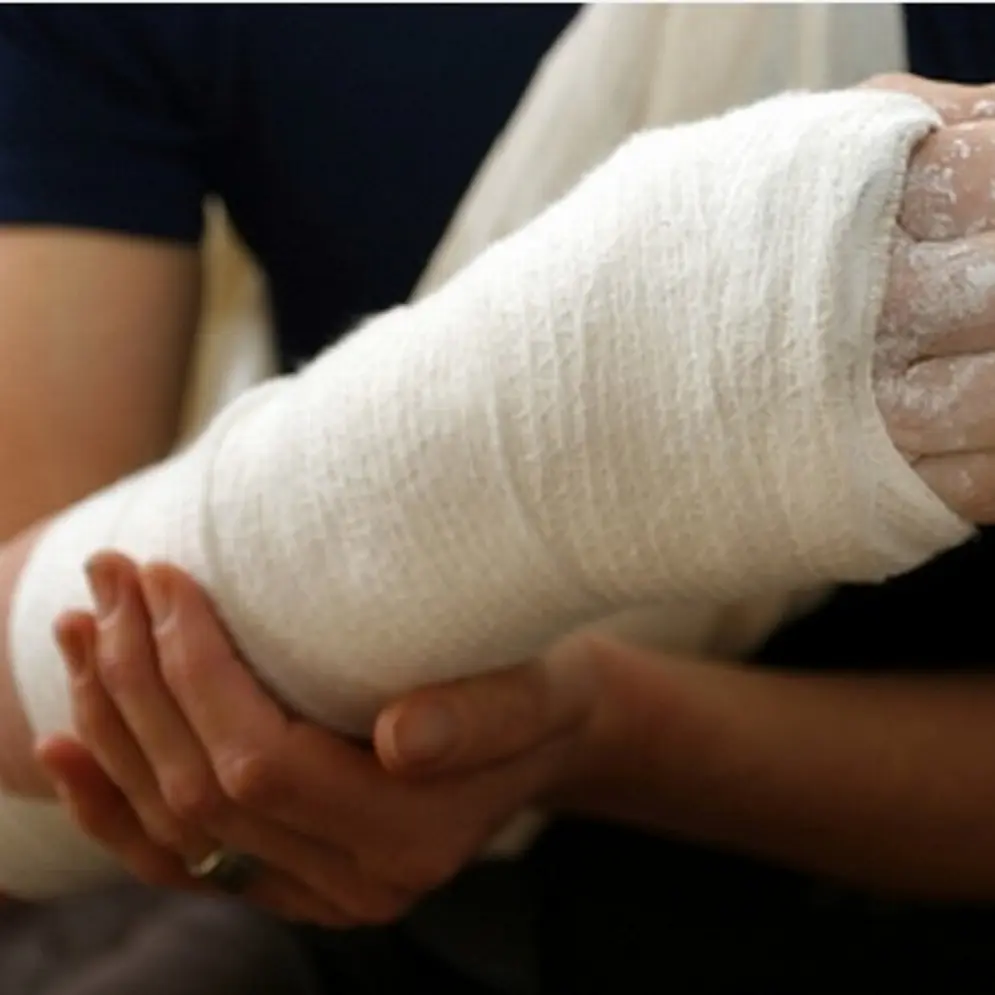
An adult human body has 206 bones, and any of them may fracture. Severe injuries may cause fractures of the femur and pelvis, knee, joints in general, or arm. These may also cause inflammation and damage to surrounding tissues and tendons, making conventional treatment very difficult. The doctor may therefore recommend plate and screw fixation to bring the bones together so they heal correctly. Types of fractures include:
- Open Fractures: Open fractures are among the most serious types because they involve a break in the skin and a wound, accompanied by severe and persistent pain.
- Closed Fractures: This type does not involve any external break in the skin.
- Partial Fractures: These are incomplete fractures in which the bone only cracks instead of breaking completely.
- Complete Fractures: In a complete fracture, the bone breaks into two pieces. This is also considered a serious condition.
- Stress Fractures: These are cracks in the bone that are difficult to detect on a standard X-ray.
- Displaced Fractures: This occurs when bone fragments are not aligned on one side, leaving a large gap that requires surgical intervention.
- Greenstick Fractures: This type occurs only in children and young people. The bone does not break completely but instead bends or buckles.
Reasons for Undergoing Plate and Screw Fixation
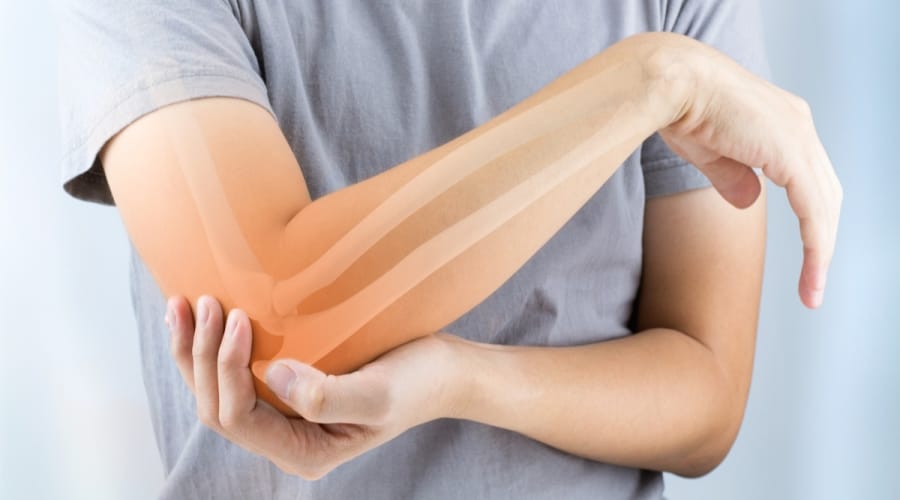
Some people believe that every fracture requires plates and screws, but this is incorrect. The operation is used only after confirming that the fracture cannot be repaired by conventional methods such as a splint or cast. The doctor recommends surgery in the following cases:
- When the fracture is accompanied by severe inflammation in the surrounding tissues.
- When a fracture does not heal after the doctor applies a cast, plate fixation may be used to stabilize the bones again in the correct position.
- For difficult, complex fractures involving small bone fragments or a fracture near a joint that is difficult to stabilize using conventional methods.
- When the fracture damages not only the bone but also surrounding blood vessels, muscles, and ligaments, plate and screw fixation is necessary.
Types of Plates and Screws Used in the Arm
Many types of plates and screws are used to stabilize arm bones. The doctor selects the type appropriate for the patient and their health. The three most commonly used options are:
- Plate Fixation in the Arm: Five types of plates are used to stabilize arm bones, including bridge plates, compression plates, neutralization plates shaped like the letters T or L, and buttress plates. They are used to repair long fractures and may be L-shaped or T-shaped. These plates act as supports that stabilize the fractured area of the bone.
- Screw Fixation in the Arm: The screws placed in bones closely resemble screws used in small devices, but they may have Phillips or flat heads. They repair and tighten damaged areas such as the rotator cuff and a torn labrum and reinforce repairs in weak bones. These screws are not removed and remain in the body when they cause no harm. If they cause problems, another operation is performed to remove them after confirming that the bones are properly stabilized.
- Arm Prostheses: Orthopedic doctors use arm prostheses to help patients regain normal movement. They are used only in difficult cases.
Duration of Arm Plate and Screw Fixation Surgery
The purpose of plate and screw fixation is to speed healing and help the patient return to normal life as soon as possible. The duration varies from person to person according to the fracture's severity and location, but the operation generally takes one to two hours. The steps are:
- The doctor administers anesthesia. For a simple wound, local anesthesia may be preferred; otherwise, the patient receives general anesthesia. The doctor then makes a small incision in the skin over the fracture.
- First, the doctor cleans the wound thoroughly and removes any debris around the fractured area.
- The plate and screws are inserted into the fractured arm and secured in place.
- Finally, the incision is closed with sutures and staples.
Cost of Plate and Screw Fixation Surgery
As mentioned above, the cost of arm plate and screw fixation depends on several factors. In general, it ranges from 25,000 to 40,000 Egyptian pounds. The main factors affecting the cost include:
- The type of screws used, the surgical method, the complexity of the operation, and the time it takes.
- The doctor's experience and practical skill play an important role in the cost. A well-known, experienced doctor such as Prof. Dr. Yasser Reda provides a higher surgical success rate.
- The patient's health also affects the procedure. A medical history with many health problems can make surgery more difficult and time-consuming.
Advice After Plate and Screw Fixation Surgery
Recovery time varies according to the patient's health. In general, the patient should follow these points to support successful healing:
- Keep water away from the wound for up to two weeks to prevent bacteria from forming around it.
- If any other symptoms appear, contact and consult the doctor immediately.
- If swelling appears at the surgical site, use cold-water compresses to reduce it.
- Do not return to work until consulting your treating doctor.
- Attend weekly follow-up appointments to check the wound and confirm that the operation was successful.
- Do not attempt to carry heavy objects with the operated arm until it has healed completely.
Book an appointment at Prof. Dr. Yasser Reda's center to ask about the cost of arm plate and screw fixation. It is the ideal choice regardless of your health because it offers the best quality at the lowest cost and the highest level of medical service. Modern techniques and equipment ensure a successful operation without complications, God willing.