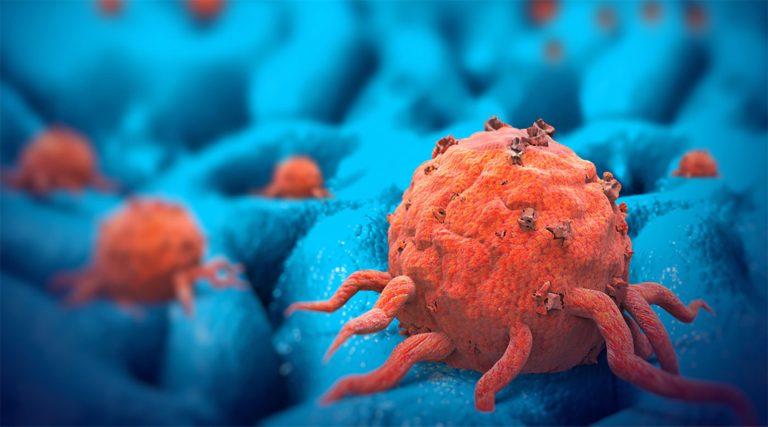

Benign bone tumors do not spread to other parts of the body, unlike cancerous tumors that can spread and invade bones throughout the body. Benign tumors can affect any area of the body. Some people believe that they do not require attention or treatment, but this is incorrect because they may cause severe pain and discomfort and may affect surrounding tissues if their growth is not controlled.
The following sections explain benign tumors in detail, including their causes, common symptoms, diagnosis, and the treatments used by Prof. Dr. Yasser Reda.
Overview of Benign Tumors
Benign tumors are noncancerous bone tumors, but they may require treatment to prevent bone damage. Commonly affected areas include the pelvis, thigh, spine, humerus, and tibia. They may also affect growth plates in the hip, knee, and shoulder. These tumors often occur in people younger than 30, particularly children. Benign tumors in children are usually simple and pose no danger because their bones are still growing, and tumor growth stops at skeletal maturity. This occurs in girls between 14 and 16 years of age and in boys between 16 and 19 years, with variation based on hormones.
Types of Benign Bone Tumors
Several types of benign tumors can affect the human body, including:
- Enchondroma: This type begins in cartilage, specifically in the marrow area.
- Chondroblastoma: This tumor may be surgically removed because it is located near the joints. Many affected patients are children, and it can cause considerable pain.
- Nonossifying Fibroma: This is one of the most common types in children and may appear on an X-ray taken after an injury.
- Fibrous Dysplasia: This is a common bone disease that may involve one bone tumor or multiple bone tumors. It may not require surgery if the tumor does not generally affect the bone.
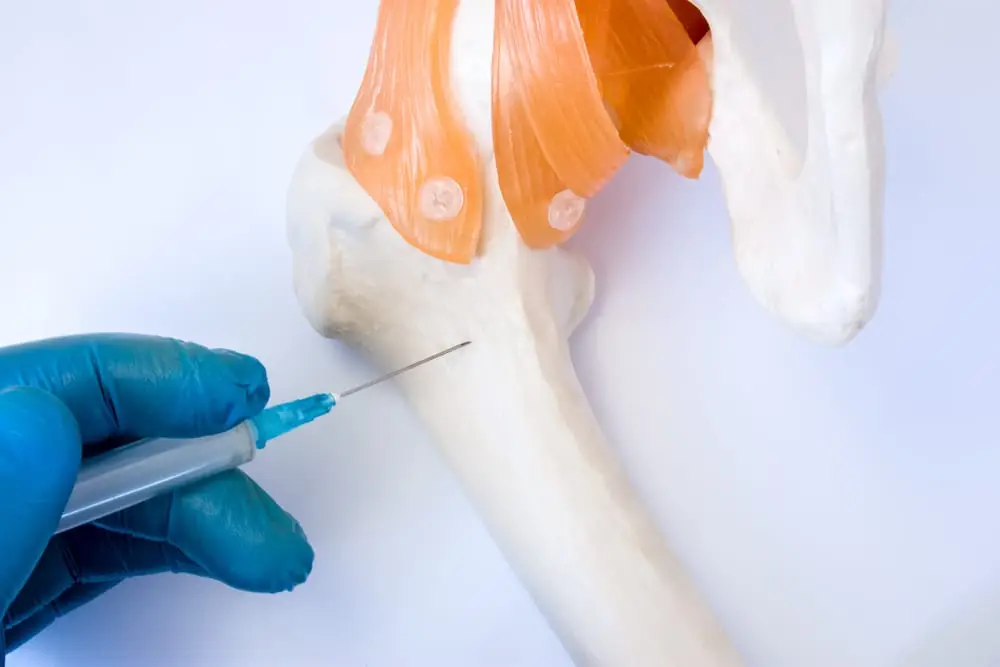
- Aneurysmal Bone Cyst (ABC): This is one of the fastest-growing types, although it is not widespread, and it is treated with injections.
- Giant Cell Tumor: Giant cell tumors are rare, but they can grow very rapidly when they occur.
- Unicameral Bone Cysts (UBC): These tumors grow near growth plates and affect bone strength, which may lead to fractures. They are treated with bone grafting to restore and preserve bone strength.
- Hemangiomas: These tumors appear as marks on the skin that may be red or purple. They often appear at birth on the neck, trunk, or head.
Symptoms of Benign Bone Tumors
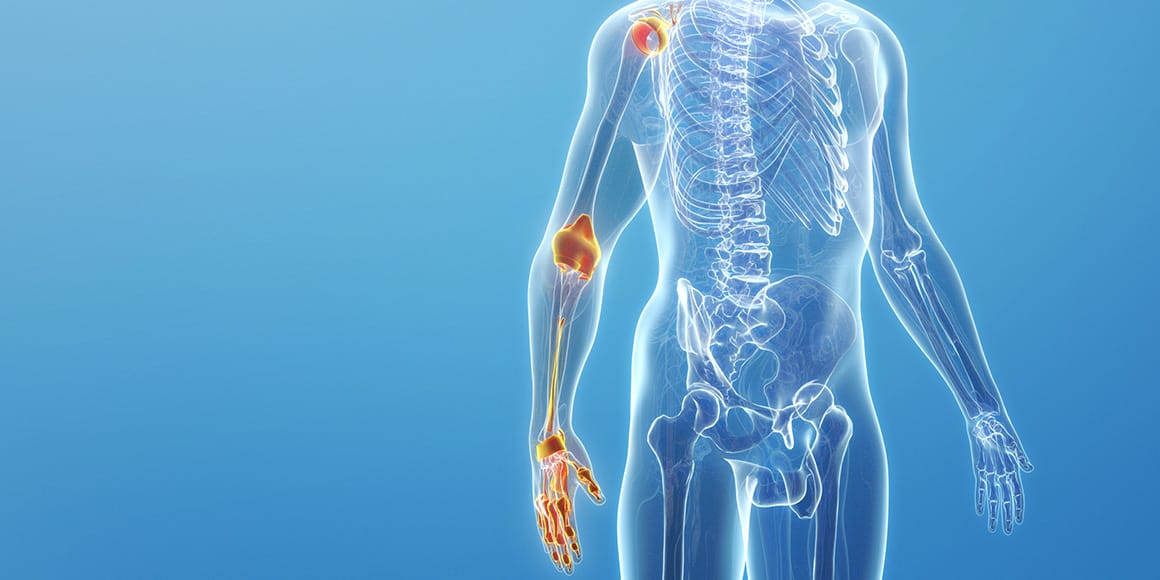
After reviewing common types of benign bone tumors, it is important to understand the symptoms some patients may experience, including:
- A Hard Mass at the Tumor Site.
- Bleeding at the tumor site is one of the common conditions associated with benign tumors.
- Difficulty breathing because these tumors affect the airways.
- The patient may experience severe pain that worsens while resting.
- The affected bone may fracture because the tumor weakens it.
- A person may not notice these symptoms until an injury leads to an X-ray.
- These tumors can also be detected through computed tomography and bone scans.
Causes of Benign Tumors
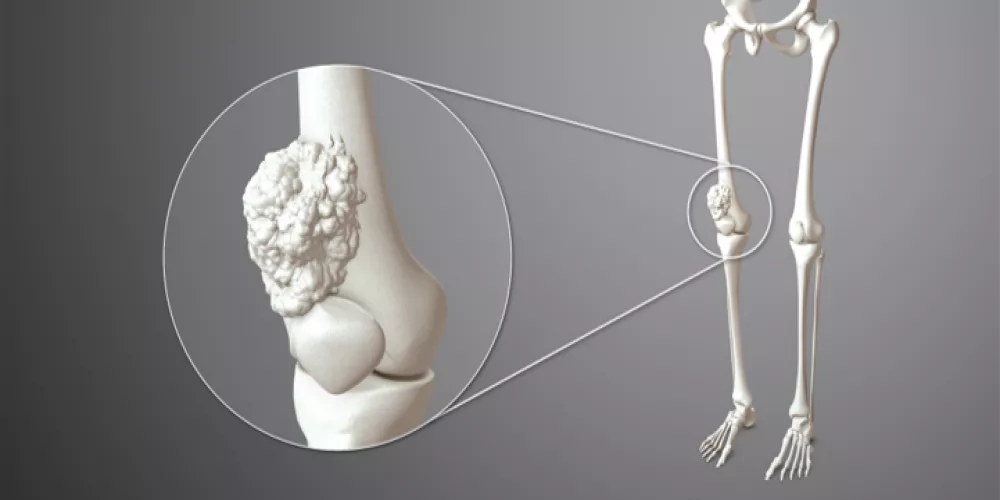
The underlying causes of benign tumors often cannot be identified. Several studies indicate that multiple factors may contribute to their development and activity. The problem begins when body cells divide and grow excessively while dead cells remain instead of being replaced. Major factors include:
- Genetic Mutations and Heredity: Inherited or acquired mutations in certain genes, such as EXT1, EXT2, IDH1, IDH2, and GNAS1, may be present. Some conditions run in families, including hereditary multiple osteochondroma syndrome.
- Growth and Development Disorders: These occur when growth plates develop abnormally during childhood or adolescence or when localized bone growth is disrupted.
- Physical Trauma: Localized injuries to specific areas of the body.
- Genetic Predisposition: A person may be more likely to develop benign tumors when there is a family history of them.
- Hormonal Factors: Some benign tumors may be affected by hormonal changes, such as those during pregnancy or puberty.

Diagnosis of Benign Tumors
Patients need a thorough diagnosis to determine whether a tumor is malignant or benign. Advances in medical technology have provided doctors with several imaging options, including:
- Magnetic Resonance Imaging and Computed Tomography: These scans create detailed images of the skeleton and make it easier to identify the exact tumor location.
- X-rays: These scans are used to examine bone-related tumors and provide an initial assessment.
- Ultrasound: Ultrasound examines soft tissue and determines whether a mass is solid or a fluid-filled cyst.
- Biopsy: A biopsy may be the final diagnostic method used by a doctor. It allows the tumor to be examined under a microscope. The doctor removes a small sample using advanced techniques, including fine-needle aspiration and core needle biopsy, which removes a larger tissue sample.
-
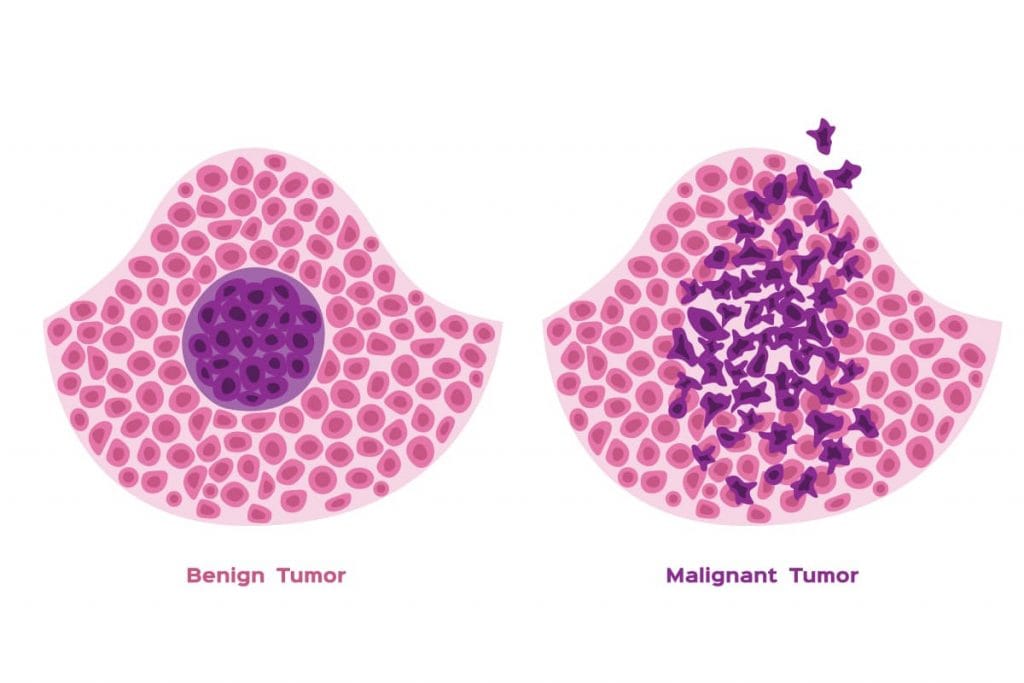
Benign Bone Tumors
Complications of Benign Bone Tumors
Benign tumors may cause complications in nearby body structures, particularly when large tumors place substantial pressure on nerves. Tumors near essential structures may also affect normal physical functions. These complications include:
- Organ dysfunction caused by pressure from the tumor.
- Persistent discomfort caused by pain from pressure on the nerves.
- Structural changes may occur in the tissues surrounding the bones.
- Pressure on blood vessels may affect blood flow.
Treatment of Benign Bone Tumors
Benign tumors often do not require immediate treatment. Doctors may recommend observation while monitoring the tumor size and its effect on surrounding structures. Regular follow-up helps identify changes. If treatment becomes necessary, the doctor has several options:
- Medications: The doctor may initially recommend medicines such as steroids to control swelling and relieve pain. These medicines can stabilize certain tumor types.
- Radiation Therapy: In some cases, radiation therapy is used to prevent tumor growth and reduce its size, particularly for tumors that are difficult to reach.
- Surgery: Surgery is used for tumors that cause serious side effects. These operations use advanced techniques to support faster recovery.
Is a Benign Tumor Painful?
Benign tumors do not usually cause severe pain, but a tumor pressing on nerves or an organ may cause considerable pain. This depends on its size and location, its effect on surrounding tissues, and the pressure it places on nearby structures.
Is a Benign Tumor Cancer?
A benign tumor is not cancer because it remains in place and does not move, whereas cancerous tumors are malignant and do not spread rapidly through the body.
What Is the Difference Between a Benign Tumor and a Cyst?
Both benign tumors and cysts appear as masses, but they differ. A cyst is a sac containing fluid, air, or other material, while a tumor is a solid mass that grows abnormally. Cysts may develop in glands and blocked ducts, whereas tumors grow irregularly.
In conclusion, this page has explained the types, causes, and treatment of benign bone tumors so patients can understand their condition and how to manage it. Accurate diagnosis is the first step toward recovery. There is no better choice than Prof. Dr. Yasser Reda, who is one of Egypt's most skilled orthopedic doctors and holds several qualifications in this field. Book an appointment at his center as soon as possible.