

Does your body have a vitamin D deficiency? Most people do not know the answer because they do not recognize the symptoms indicating a deficiency. Vitamin D is one of the body's most important vitamins and plays a prominent role in functions throughout the body. It is also fundamental to strengthening bones and teeth because it helps the body absorb important minerals such as phosphorus and calcium. In addition, vitamin D strengthens the immune system, regulates blood sugar levels, maintains heart health and provides many other important benefits.
Because of the importance of vitamin D to the body, the team at the center of Prof. Dr. Yasser Reda, Consultant Orthopedic Surgeon in Egypt, has prepared several important sections covering all the symptoms a patient may experience with vitamin D deficiency. We will also discuss treatments suitable for each patient and ways to prevent reaching this stage. Continue reading below.

The Importance of Vitamin D in the Human Body
All minerals and vitamins are important and necessary for building the body, but vitamin D is one of the most important. Its main benefits include:
- Supporting the immune system: Vitamin D plays an important, fundamental role in regulating immunity and fighting diseases that attack the immune system, thereby strengthening the body's immunity in general.
- Maintaining healthy teeth and bones: Vitamin D deficiency in children causes rickets, while adults develop osteoporosis. Deficiency also causes dental problems such as cavities and weak roots.
- Regulating blood sugar levels: A balanced vitamin D level in the body reduces the risk of diabetes because the body responds more quickly to insulin.
- Reducing the risk of many diseases: It protects the body from many chronic diseases, such as sclerosis and other types of cancer, and also regulates blood pressure and improves blood vessels.
- Muscle health: Vitamin D helps reduce muscle inflammation and weakness and gives muscles enough strength to tolerate increased exertion.
- Improving mood: Many studies have confirmed that vitamin D deficiency increases depression and anxiety, while the opposite is true when the body has a sufficient vitamin level.
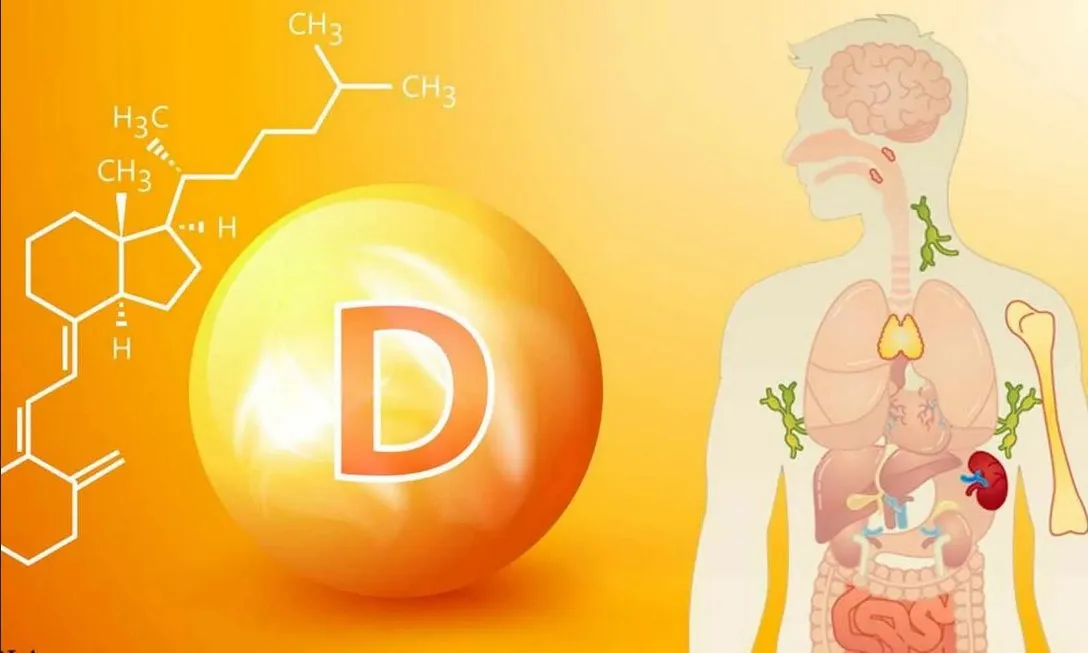
Diagnosis and Symptoms of Vitamin D Deficiency
Certain symptoms, if they appear, should confirm that a person has a vitamin D deficiency. These symptoms have emerged from extensive research and include:
-
- Persistent fatigue, general weakness, back and muscle pain, and sometimes muscle spasms. Some people also experience hair loss.
- A constant desire to sleep, mood swings, anxiety and general lethargy.
- Many children may have difficulty walking, bowed bones, general muscle weakness and abnormal growth.
- Vitamin deficiency is identified by testing its level in the blood.

Ways to Prevent and Treat Vitamin D Deficiency
There are many sources from which a person can obtain vitamin D. The most important are:
- Get daily sun exposure for a short period of 10 to 30 minutes, preferably in the early morning or at sunset.
- Eat foods containing vitamin D, such as fish, sardines and salmon, natural orange juice, and dairy products such as yogurt, eggs, mushrooms and cod liver oil.
- Some dietary supplements compensate for vitamin D in the body, but they must be taken under a doctor's supervision to determine the required dose.
- Maintain continuous follow-up and regular periodic examinations, as well as a healthy weight.
-

Does Your Body Have a Vitamin D Deficiency?
Complications of Vitamin D Deficiency
If a person does not treat vitamin D deficiency, many complications may occur, including:
- Osteoporosis in adults, resulting in repeated fractures.
- Vitamin D deficiency in a pregnant woman exposes her to preeclampsia or gestational diabetes.
- A marked reduction in energy and effort that becomes more serious day after day.
- The person experiences cardiovascular problems because of high blood pressure.
- The person becomes vulnerable to respiratory infections and immune diseases.
How Do I Know If I Have a Vitamin D Deficiency Without a Test?
A person can recognize vitamin D deficiency if the following signs appear: lethargy and a desire to sleep, pale skin, stress and depression, unexplained weight loss, and general weakness in all the body's bones.
What Raises Vitamin D Quickly?
Sun exposure is one of the most important factors in raising the body's vitamin D level. If the level is extremely low, taking dietary supplements is recommended, but a doctor must be consulted first. Foods that increase the vitamin level must also be eaten.
When Should a Vitamin D Tablet Be Taken?
Doctors advise taking one vitamin D tablet a day, preferably after lunch because it often contains fat, which helps dissolve and absorb vitamin D.
In conclusion, the team of Prof. Dr. Yasser Reda, one of Egypt's leading consultant orthopedic surgeons, has presented important information about vitamin D and answered a question asked by millions: does your body have a vitamin D deficiency? The answer covers symptoms, treatment, and prevention. We recommend booking an appointment at the center to identify the dietary supplement suited to your health and age. … With us, you are always in safe hands.