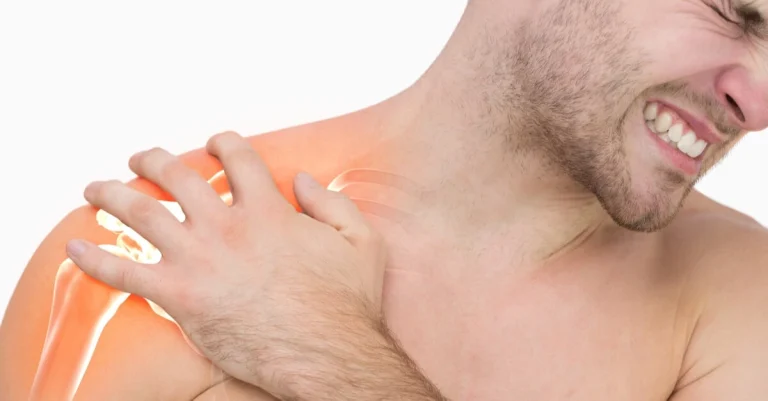

When do you need shoulder tendon repair surgery? A tear of the shoulder tendons, especially the rotator cuff tendons, is a common injury that affects a person's ability to use their arm normally. In many cases, it starts with mild pain when moving the arm, but it can gradually progress to severe weakness and difficulty with basic movements such as raising the hand or getting dressed. In some cases, it reaches a point where physiotherapy or medication no longer helps, and the hard questions begin. When do you need shoulder tendon repair surgery? Is surgery the only solution? Can I fully regain the movement of my arm afterward? In this article, we give you a clear, detailed answer to these questions and highlight the importance of surgery: when it is necessary, how it is performed and what to expect afterward.
What Is a Shoulder Tendon and Why Is It So Important?
The shoulder tendons are part of a group known as the rotator cuff, which connects the shoulder muscles to the arm bones. These tendons are responsible for raising and moving the arm in every direction and maintain shoulder joint stability during daily movements. Any injury to these tendons directly affects your ability to use the shoulder and causes pain that worsens over time.

Causes of Shoulder Tendon Tears
Before discussing the need for shoulder tendon repair surgery, it is important to understand how a tear occurs. There are many causes, including:
- Chronic strain: repetitive movements that strain the shoulder over time, such as lifting weights or manual work.
- Falls or direct injuries: falling on the arm or shoulder may cause a sudden tear.
- الشيخوخة: with age, the tendon loses flexibility and becomes more fragile, making it prone to tearing even without substantial exertion.
- Poor blood supply: some tendons have poor blood flow, preventing small tears from healing and causing them to worsen.
Symptoms of Shoulder Tendon Tears
Symptoms vary according to the injury's severity but often begin as mild complaints that gradually progress:
- Shoulder pain, especially when raising the arm or sleeping on it.
- Noticeable weakness in the arm, with difficulty performing daily movements.
- A popping or rubbing sensation during movement.
- In some cases, a complete tear causes sudden loss of arm strength.
When these symptoms continue for weeks or months despite physiotherapy and medication, serious consideration of shoulder tendon repair surgery begins.

When Do You Need Shoulder Tendon Repair Surgery?
Not every tendon tear initially requires surgery. Doctors always prefer to try non-surgical treatment such as rest, medication and physiotherapy. However, clear signs make surgery necessary:
1. Complete tendon tear
If the tendon is completely torn, it cannot heal on its own. In this case, there is no alternative to surgery to reattach it to the shoulder bone and restore movement.
2. Failure of non-surgical treatment
If pain and weakness continue after 3 to 6 months of physiotherapy and medication, surgery becomes the best option for preventing complications.
3. Athletes and manual workers
People such as tennis players, swimmers, tradespeople or anyone whose work depends on the arm need prompt repair to avoid muscle atrophy and loss of function.
4. Signs of muscle atrophy
Delaying repair of the tear may cause atrophy of the muscles connected to the tendon. In this case, the earlier the operation is performed, the greater the chances of full recovery.
How Is Shoulder Tendon Repair Surgery Performed?
When shoulder tendon repair surgery is selected, the details are explained to the patient. The operation is usually performed arthroscopically, a precise and effective technique involving small skin incisions through which a camera and special instruments are inserted. The main surgical steps are:
- The surgeon cleans damaged tissue from the shoulder joint.
- The precise location of the tendon tear is identified.
- Strong surgical sutures are used to reattach the tendon to the humerus.
- In some cases, part of the bone is removed to provide more space for the tendon and prevent friction.
- In complex cases or when the tear is very old, the operation may be performed using a traditional open surgical approach instead of arthroscopy.

After Shoulder Tendon Repair Surgery
Recovery from shoulder tendon repair surgery requires patience and commitment, as healing progresses through several stages:
- First stage (0-6 weeks): the arm is immobilized in a shoulder sling, with very limited movement.
- Second stage (6-12 weeks): physiotherapy begins to improve joint flexibility.
- Third stage (3-6 months): the muscles are gradually strengthened and full arm function is restored.
Ignoring the need for shoulder tendon repair surgery may lead to:
- Permanent atrophy of the shoulder muscles.
- Chronic arm weakness.
- Persistent pain that worsens with activity.
- Loss of the ability to perform simple tasks.
- Development of chronic inflammation in the joint.
Is the Surgery Successful?
Yes, shoulder tendon repair is a highly successful operation with excellent improvement rates, especially when performed at the appropriate time. According to many studies, most patients regain arm strength and shoulder function by up to 90% after adhering to physiotherapy.
If you have chronic shoulder pain or arm weakness and the doctor diagnoses a tendon tear, shoulder tendon repair surgery may be the best solution for you. Do not wait until the problem worsens. The earlier the diagnosis and treatment, the greater the chances of full recovery and of regaining arm movement and a normal quality of life. The best doctor for shoulder tendon treatment can help you decide the right time for surgery.
shoulder tendon repair surgery
Consult a specialist orthopedic doctor as soon as you feel unusual shoulder pain or notice weakness in arm movement, especially if the pain lasts more than a few days or does not respond to simple home treatment. Tendon tears, especially shoulder tendon tears, do not improve on their own in many cases and may worsen over time, causing serious complications such as muscle atrophy, joint stiffness and loss of the ability to perform basic daily movements. Ignoring pain or delaying medical examination may complicate your condition and reduce the chances of successful treatment later. Early diagnosis and appropriate intervention at the right time are the real keys to full recovery and restoration of shoulder function without chronic suffering.
The goal of Rotator Cuff Tear Repair is to reattach the tendon to the bone and restore shoulder strength and movement.