

Local knee injections have recently become an important topic among people with knee problems. These injections are fast-acting pain relievers for many conditions and are the best option for treating knee problems away from surgery and the fear of long hospital stays. The procedure is very simple, takes only a few minutes and does not require general anesthesia; the doctor applies a local anesthetic spray to the knee. In the following lines, we will learn all the details about local knee injections.
Types of Local Knee Injections
A local knee injection is a medical procedure in which medications and pain relievers are injected directly into the knee joint. It is used for people with knee osteoarthritis and arthritis. There are several types of knee injections, including:
- Cortisone injections: this type is used to reduce inflammation in the knee joint and is one of the most common types.
- Hyaluronic acid injections gel or oil injections: this injection contains a viscous substance similar to natural synovial fluid. This substance reduces the friction that causes pain, improves joint flexibility and relieves stiffness. This type is used to treat mild to moderate osteoarthritis.
- Botulinum toxin injections: this type is intended for people with osteoporosis and immune-mediated arthritis in the knee. The patient experiences relief for between 3 and 12 months after the session.
- Stem cell injections: this is considered one of the stronger types used in advanced cases of knee osteoarthritis because stem cells repair damaged tissues so that they do not transform into different types of cells.
- PRP injections for joints: the doctor may discuss this type for some cases of joint pain, knee osteoarthritis or tendon injuries, depending on the assessment and severity of the injury.
If you want a broader comparison of the different types of injections, you can read the page Knee joint injections to learn the differences between cortisone, hyaluronic acid, PRP and other types according to the condition of the joint.
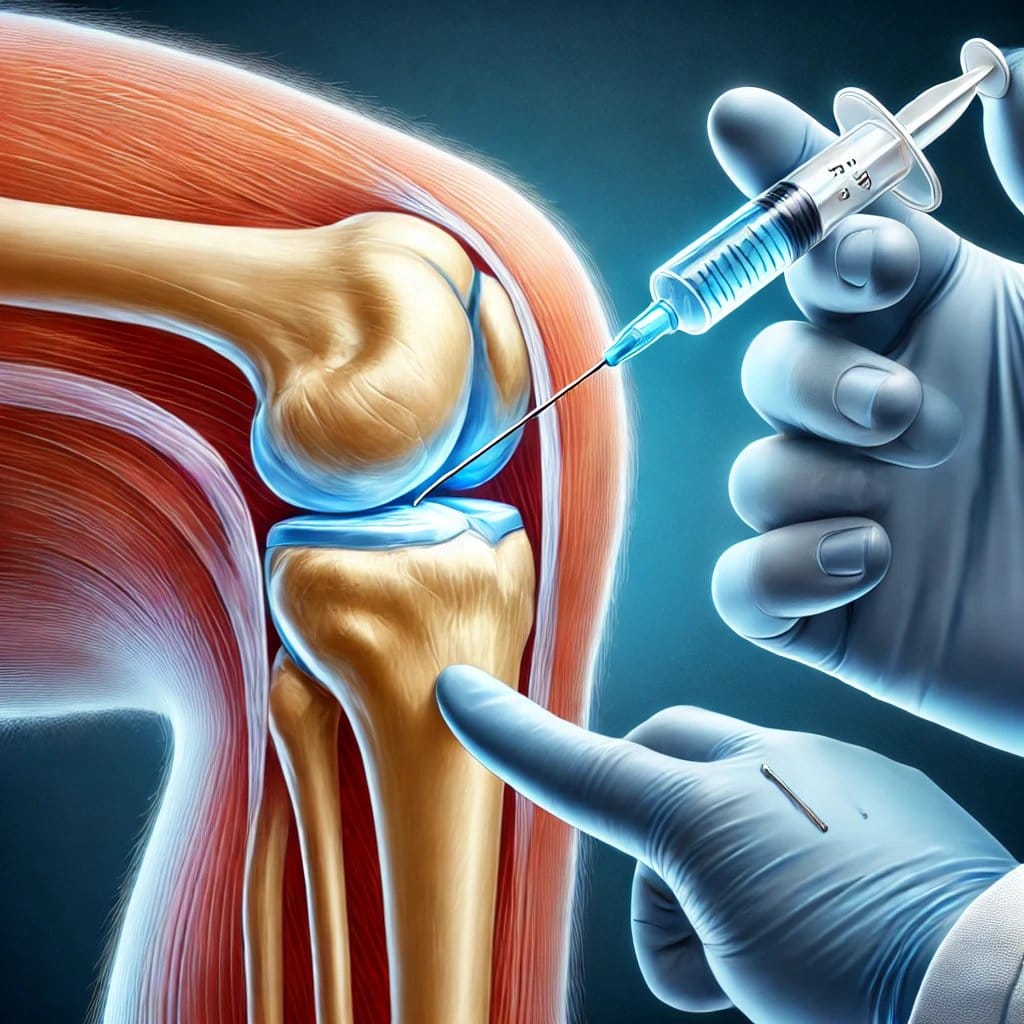
Steps for Administering a Knee Injection
After reviewing the types of local knee injections, we should explain the steps used to administer the injection, which are:
- Skin sterilization: First, the doctor cleans and disinfects the injection area to ensure there is no infection and to prevent the risk of infection.
- Local anesthesia: Local anesthesia is used by applying a topical anesthetic spray.
- Removing excess fluid: If the doctor finds excess fluid in the knee joint, it is removed first to ensure that no substances affect the injection's action.
- Injections: The medication appropriate for the patient's condition is then injected into the knee joint.
- Guidance: If the patient is receiving stem cell injections, the doctor prefers to use ultrasound or radiographic imaging to guide the injection to the precise location.
Instructions After a Knee Joint Injection
The doctor emphasizes several instructions after a local injection. The patient must follow all instructions to achieve the best results. These instructions include:
- Rest and avoid movement on the first day after the injection.
- Take the medications recommended by the doctor at their scheduled times.
- Avoid strenuous exercise for a specified period.
- Do not take blood-thinning medications.
- Do not try to lift any heavy objects during the initial period after the injection.
- Cold-water compresses are recommended to reduce puffiness and swelling.
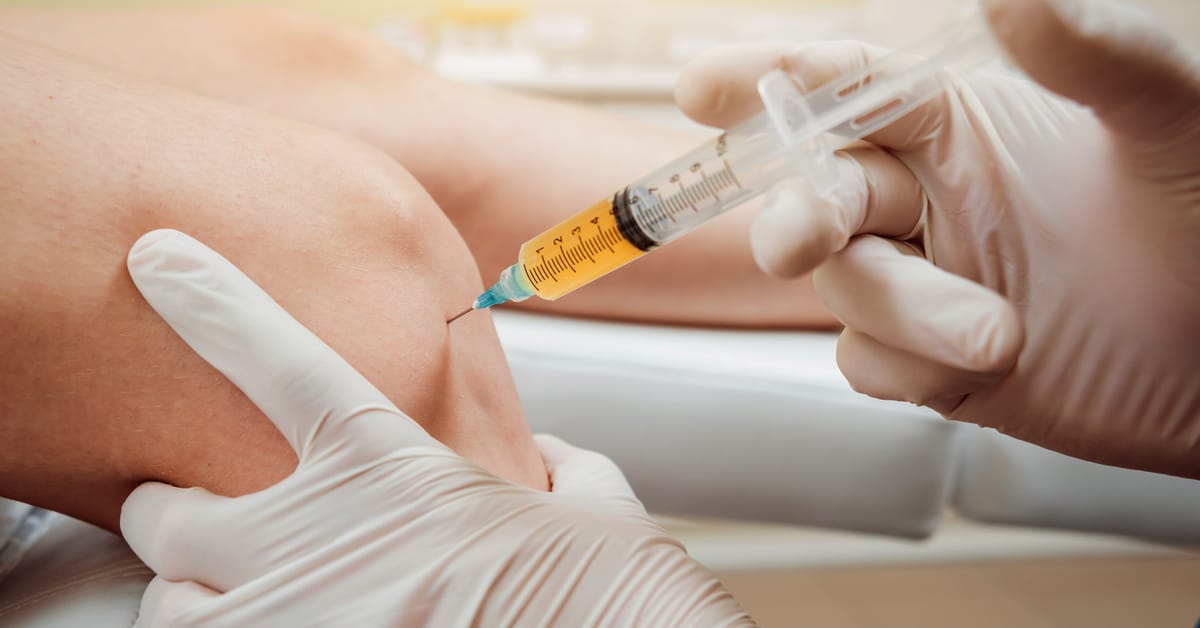
Benefits of Local Knee Injections
Local knee injections have major benefits, including:
- Relieving pain caused by knee inflammation and reducing swelling and redness.
- Local knee injections are a fast and effective alternative to surgery. They are also used for conditions that do not respond to conventional treatments, thereby helping the patient avoid knee replacement and surgery.
- Improving joint function. Inflammation in the joint negatively affects its flexibility, while local injections restore flexibility and mobility, especially when hyaluronic acid is used.
- The injection helps the knee recover from injuries and also treats ligament injuries.
- The injection also stimulates stem cells and tissue regeneration.
- After the injection, the patient can resume activity and perform all daily activities without pain.
For knee osteoarthritis, the doctor determines the treatment type according to the severity of osteoarthritis and the joint's condition. You can read more about Knee Osteoarthritis Treatment and the available treatment options.
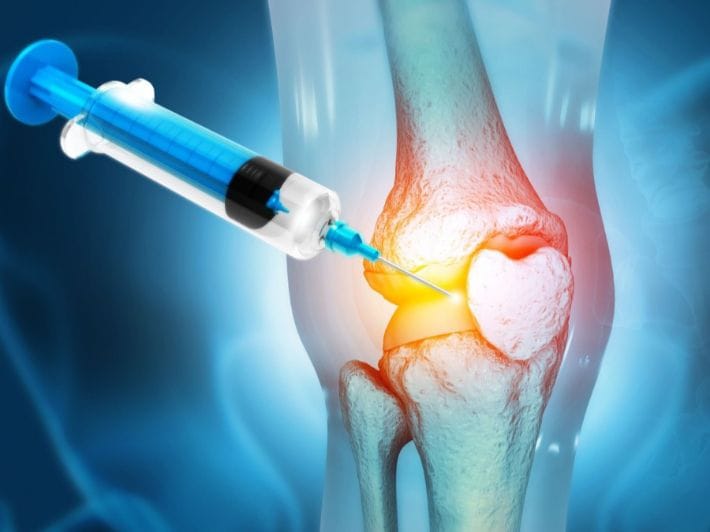
Contraindications to Knee Joint Injections
Although local knee injections are important and have effective results for various conditions, certain contraindications must be considered when deciding on an injection. A specialist doctor should assess the condition and confirm there are no contraindications. The most prominent contraindications include:
- An allergy to one of the substances used in the injection.
- An infection in the knee joint.
- A fracture in the joint or within the joint itself.
- Severe damage to the knee.
- Diabetes.
- Injections are not used during pregnancy or breastfeeding.
- A blood clot or an unstable patient condition.
When Do Knee Injections Start Working?
In most cases, knee injection results appear within about four or five days at most, and the effect lasts for months. This duration varies according to the patient's health.
How Often Can Knee Injections Be Repeated?
This depends on the patient's condition, but in most cases the injection can be repeated approximately once every six months. The doctor determines this after assessing the patient's overall condition.
Does the Patient Need Rest After the Injection?
Yes, the patient needs to rest for one to two days at most and should avoid strenuous activities or standing for long periods in order to return to normal life as soon as possible.
Can Knee Injections Replace Surgery?
Yes, in mild and moderate cases. In severe cases, however, surgery must be performed as soon as possible.
Are Knee Injections Painful?
No. The patient receives local anesthesia during the injection. The patient may feel mild pain after the anesthetic wears off, but it resolves after taking the pain relievers and medications recommended by the treating doctor.
If you are unsure which injection is suitable for your condition, you can read the page Best Knee Injection Specialist to learn which factors the doctor considers when choosing the appropriate injection type after examination and imaging.
Frequently Asked Questions About Local Knee Injections
What Are Local Knee Injections?
What Is the Best Type of Knee Injection?
When Do Knee Injections Start Working?
How Often Can Knee Injections Be Repeated?
Can Knee Injections Replace Surgery?
Are Knee Injections Painful?
What Are the Instructions After a Knee Joint Injection?
We hope this article on local knee injections has covered every aspect of the subject. We reviewed the types of injections used, their benefits and contraindications, and the simple steps the doctor follows when administering an injection. If you have any questions about injections or other orthopedic topics, click and visit this link.