

Swelling in the leg below the knee is a common symptom for many people. What causes this swelling, and can it be treated? We will answer these questions in the following sections. The swelling may be accompanied by severe knee pain and difficulty moving the knee. Because the knee is a sensitive area affected by many problems, it is important to protect it and consult a doctor such as Prof. Dr. Yasser Reda if any unusual symptom appears so the problem can be addressed early.
Swelling may affect both legs or only one, and it can have many different causes. Even difficult problems can have a quick and simple solution with Prof. Dr. Yasser Reda. Consult a doctor and begin treatment promptly if you have this problem. The following sections provide a comprehensive overview.
Symptoms of Leg Swelling Below the Knee
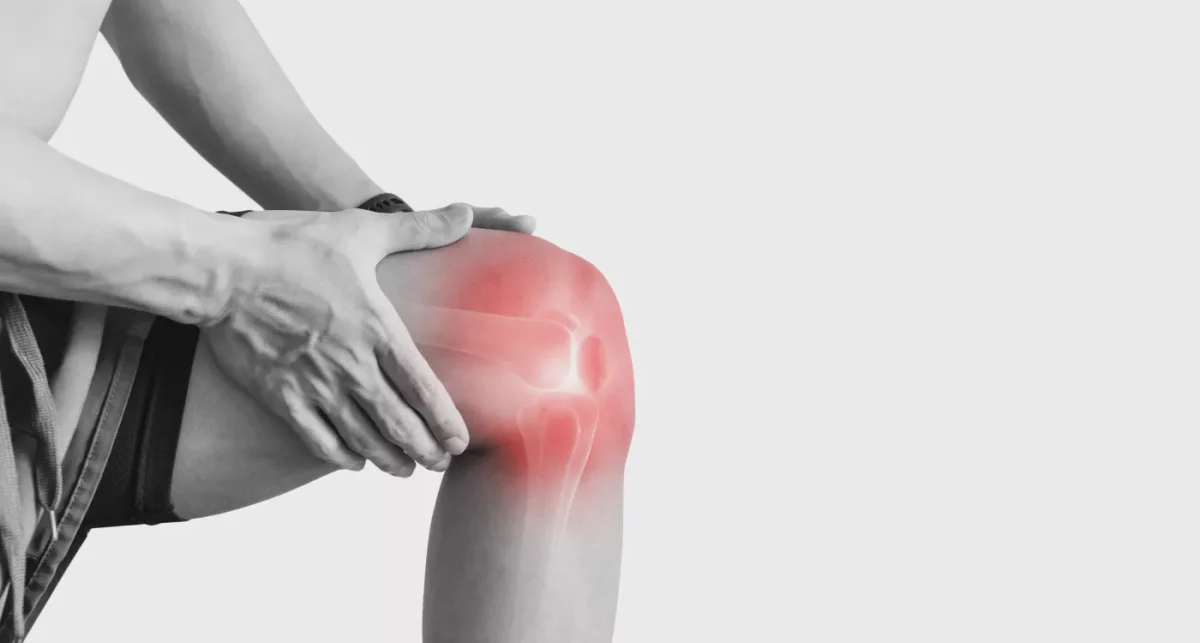
The knee can be affected by many conditions that may impair normal movement. The following symptoms may indicate swelling in the leg below the knee:
- Visible swelling in the leg.
- Severe, persistent pain with any exertion, even mild effort.
- Unusual redness in the leg; if neglected, the swelling may become severe.
- Some patients develop skin ulcers.
- Shortness of breath and difficulty breathing normally.
- Tingling and numbness in the knee, which may progress to stiffness.
- This swelling may affect the patient’s pulse rate.
Causes of Swelling Below the Knee
Every symptom has a cause. Several mild or serious conditions may lead to swelling below the knee, including:
- Gout: Gout is an important cause of swelling in the leg below the knee because uric acid accumulates in the knee joint. It may worsen in the evening during rest and may resolve after using medications recommended by the doctor.
- Knee bursitis: Some people with bursitis also experience swelling in the knee and surrounding area.
- Trauma: A direct impact to the knee can cause fluid to collect in the area, leading to leg swelling.
- Chronic diseases: Some chronic diseases that require years of treatment may cause swelling in the leg below the knee, including cancer, osteoarthritis, severe chronic inflammation, preeclampsia, deep vein thrombosis and kidney problems.
- Fluid accumulation: Standing for long periods may cause leg swelling because of fluid accumulation. Excess weight and insufficient exercise can also contribute, while regular exercise helps prevent many chronic diseases.
How Is Leg Swelling Diagnosed?
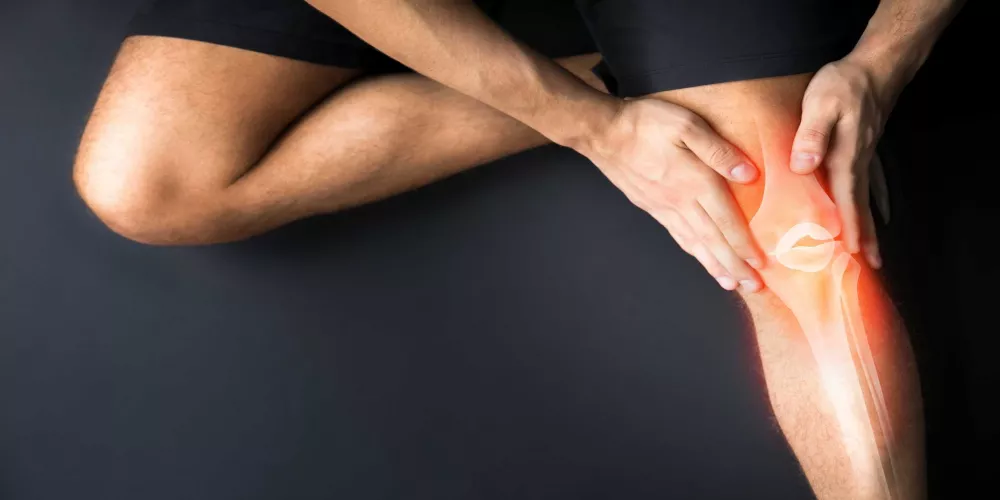
The doctor may request examinations and tests to diagnose the condition correctly, including:
- The doctor begins with a clinical examination to identify the location of the swelling and check for other problems.
- Tests may include urine, kidney function and electrolyte tests.
- Knee imaging may include X-rays, ultrasound and computed tomography.
- The patient may also undergo an electrocardiogram.
- The patient may undergo a Doppler examination.
- A lymph node biopsy may also be taken.
Diagnosis is preferably made by the Knee Orthopedic Specialist to determine the cause of the swelling accurately.
Treatment of Leg Swelling Below the Knee
Knee pain can be extremely disruptive because the knee is central to movement. If swelling or any previously mentioned symptom appears, consult a specialist orthopedic surgeon, and there is certainly no better choice than Prof. Dr. Yasser Reda. Treating the condition in its early stage is important for recovery and the effectiveness of medications. There are two approaches to treating this swelling:
First: Treating Leg Swelling with Home Remedies
If the swelling is mild and still at an early stage, home methods may be used, including:
- Apply ice packs to the swollen area for 15 to 20 minutes three times a day.
- The patient may massage the area in circular motions to help reduce swelling.
- The patient should elevate the affected foot above the usual level of the body.
- A knee brace or compression stockings may be used to stimulate circulation through light pressure on the affected area and prevent fluid from accumulating below the knee.
- Use Epsom salt, which contains magnesium and may help reduce inflammation around the knee and remove toxins from the body. Add one tablespoon of salt to a suitable amount of water and soak the knee for at least 20 minutes.
- Eat foods containing magnesium, because the swelling may result from magnesium deficiency. Common magnesium-rich foods include almonds, pumpkin seeds, spinach, dark chocolate, peanuts, white beans, milk, quinoa and cashews.
Second: Medical Treatment for Leg Swelling
If the patient has tried the previous methods but the swelling remains, medical treatments may be used, such as:
- Take medications recommended by the doctor to reduce inflammation and relieve pain, such as acetaminophen, naproxen and ibuprofen.
- Take medications containing magnesium only under a doctor’s guidance.
- In some cases, the doctor may recommend that the patient use a splint to stabilize the knee and prevent movement until the swelling subsides, particularly when the swelling results from a knee injury.
- Some patients with congestive heart failure also use diuretics, which stimulate the kidneys to remove excess fluids from the body.
Tips to Relieve Pain from Leg Swelling
The team at Prof. Dr. Yasser Reda’s center offers the following tips that everyone should follow to help prevent this condition:
- Exercise daily for at least 20 minutes, as exercise is a basic part of a healthy routine.
- Avoid salty and spicy foods in general.
- Maintain a healthy weight by eating lower-calorie meals, because obesity and excess weight place substantial pressure on the knee.
- Avoid standing or sitting for long periods during the day. Rest from time to time to reduce strain on the knee.
- Some natural oils may soothe the swollen area and reduce swelling, including peppermint oil, chamomile oil, eucalyptus oil and lavender oil.
If persistent knee pain accompanies the swelling, it may help to learn how to manage knee pain before it worsens.
This concludes our article on swelling in the leg below the knee. We reviewed important details for people with this problem. Prof. Dr. Yasser Reda’s center presented several ways to reduce the swelling, including home and medical methods, along with tips to help prevent it. Prof. Dr. Yasser Reda can provide medical consultation and guide patients toward recovery.




Comments
بارك الله فيكم جميعا على هذا الموقع الرائع
التهاب خفيف في مفصل الورك وخشونه خفيفة .العمر ٧٠سنة.مع وجود كييس صغير وتندبات ماهو العلاج .وهل ينصح بحقن الكورتزون. وشكرا
الصور والتقرير للرنين المغناطيسي مرفق على الويتس اب .
أهلًا بحضرتك أ/ عبد الجليل الضويحي، شكرًا لثقتك 🌿
نتائج الرنين اللي حضرتك ذكرتها (التهاب بسيط + خشونة خفيفة بمفصل الورك + كيس صغير + تندبات) غالبًا يتم التعامل معها بخطة علاج تحفظية في البداية، وتشمل:
تعديل النشاط: تقليل الوقوف الطويل/صعود السلم/الحركات اللي بتزود الألم، مع تجنب الجلوس بوضعيات بتضغط على الورك.
علاج طبيعي وتمارين: تقوية عضلات الحوض والعضلات الجانبية للورك وتمارين مرونة (ده من أهم عوامل التحسن).
مسكنات/مضادات التهاب (إذا لا توجد موانع مثل قرحة المعدة/الكلى/السيولة) + دهانات موضعية.
إنقاص وزن لو فيه زيادة وزن—بيفرق جدًا مع مفصل الورك.
مكملات مثل فيتامين D/كالسيوم إذا كان في نقص، وقد تُستخدم بعض المكملات للمفاصل حسب تقييم الطبيب.
بالنسبة لحقن الكورتيزون:
ممكن يفيد في تقليل الالتهاب والألم لكن مش دايمًا هو الخيار الأول—ويتحدد بعد الكشف وتحديد مصدر الألم بدقة (هل من المفصل نفسه؟ أم أوتار/جراب/عضلات؟).
وغالبًا يتم الحقن بدقة وتحت إرشاد الأشعة عند الحاجة، مع مراعاة عدم تكراره كثيرًا.
الكيس الصغير غالبًا لا يحتاج تدخل إلا إذا كان كبير/مؤلم جدًا/يزيد أو مسبب ضغط على عصب—وساعتها القرار يكون حسب الكشف وتقرير الرنين كاملًا.
✅ الأفضل تحجز كشف مع طبيب عظام/مفاصل لتقييم: شدة الألم، مدى الحركة، وهل الألم ميكانيكي ولا التهابي، وبعدها تتحدد الخطة الأنسب.