
Do you have severe pain in the lower spine? Are you unable to move and stand normally? All of this is caused by a herniated disc, a disease that has recently become very widespread among everyone. It is severe pain in the lower spinal area or the area below the neck. Pain is not limited to this area but affects other parts of the body, leaving the patient disabled and unable to carry out even very simple daily activities.
In the past, surgery was the only treatment for patients with a herniated disc. With enormous medical advances that continue day by day, many other methods are now available to relieve spinal pain and improve function again. High-quality medical techniques are used so that the patient can return to normal life as quickly as possible after these procedures.
Our website team has prepared all the details about herniated discs, their treatment, types, common causes and, finally, general tips for protecting the spine.
What is a herniated disc?
Before discussing how to treat a herniated disc, we must understand the condition. It is also called a herniated disc, but is more commonly known as a slipped disc. It is severe pain throughout the spine, most commonly affecting the lower back and neck.
A disc is a small structure separating the vertebrae. It enables them to move easily without damage. The disc has two parts: an inner part called the nucleus, a jelly-like liquid material, and a second solid part surrounding the nucleus externally.
When the inner part of the vertebra, the nucleus, moves, it presses on the solid outer part. This causes the solid part to bulge out of its normal position. The bulge presses on the spinal cord and nerve endings, producing the pain of a herniated disc.
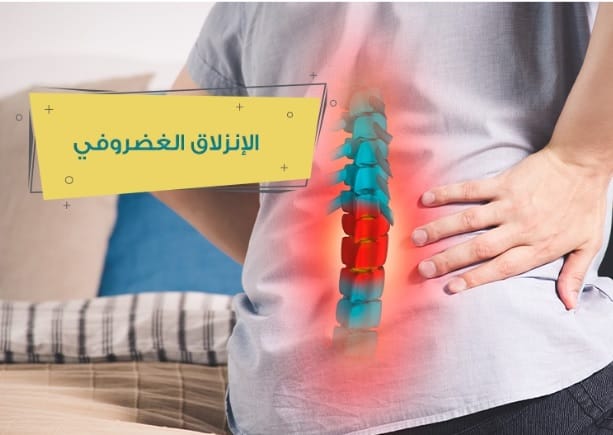
Causes of a Herniated Disc
Every symptom appearing in the human body has causes or factors behind it, as with the herniated disc discussed here. The most important factors causing it include:
- Excessive exertion: lifting heavy objects incorrectly or making sudden movements that place pressure on the spine, causing a herniated disc.
- Advancing age: after a person reaches a certain age, the flexible liquid part between the vertebrae is lost, reducing flexibility and causing herniation symptoms to begin.
- Genetic factors: heredity plays a major role in developing this disease.
- Excess weight: obesity causes many diseases, notably herniated discs, because the cartilage cannot bear the extra weight.
- Spinal injuries: serious injuries such as sports injuries and road accidents greatly affect the discs, causing them to slip.
- A sedentary lifestyle (inactivity): lack of movement, daily inactivity and limited movement may cause this disease.
Types of Herniated Disc
A herniated disc generally occurs when part of the disc within the spine ruptures. It is not limited to the lower back and can occur anywhere in the spine. There are three types:
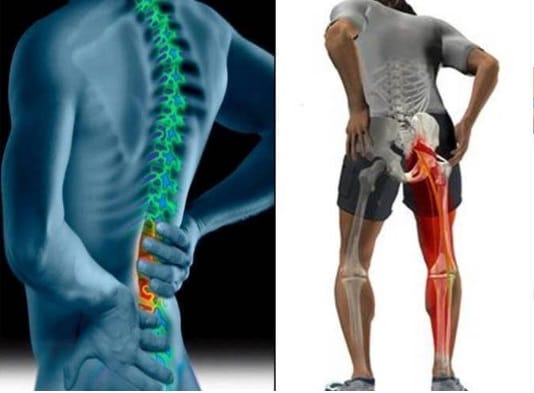
- First, lumbar disc herniation: this is one of the most common types and affects many people. It occurs in the lower back, specifically the lumbar vertebrae. Pain extends into the legs because the disc presses on the sciatic nerves. Causes include severe obesity or lifting heavy objects.
- Second, cervical disc herniation: this occurs below the neck, specifically in the cervical vertebrae. The patient feels severe pain below the neck extending into the hands and arms, and the muscles around this area become weak. It is the second most common type and results from sports injuries or sudden incorrect movement.
- Third, cervical disc herniation: this type occurs in the middle of the back, specifically in the cervical vertebrae. It affects the chest and middle back and clearly affects breathing and some other organs. It is rare and less common.
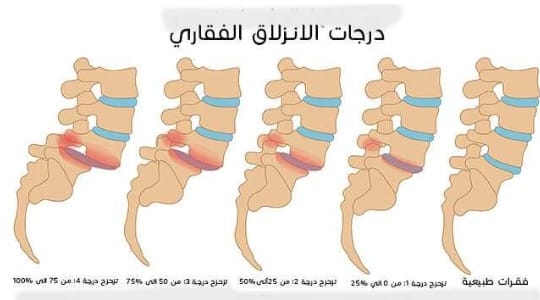
Treating a Herniated Disc Without Surgery
Herniated disc treatment is determined by several factors: the patient's age, health, degree of herniation and symptoms. After these are considered, treatment begins. The following are several non-surgical treatments:
- Rest: In some mild herniated disc cases, rest and avoiding strenuous work may be the ideal solution. Rest continues for no more than two to three days to prevent body stiffness. The patient then begins gentle movement and walks short distances until they improve and no longer feel pain.
- Heat and Cold: If herniated disc symptoms are at an early stage, the patient may use simple natural remedies to help relieve pain, such as massaging ice cubes continuously over the affected area until pain disappears. Warm compresses and sitting in a warm bath may also reduce pain and relax the muscles generally.
- Physiotherapy: Physiotherapy has a clear and highly effective role in relieving herniated disc pain. Some doctors recommend exercises that help accelerate recovery. Patients also benefit by learning the correct way to bend or lift objects from the floor.
- Treatment with medication: Painkillers and other medications are among the fastest solutions used by patients with a herniated disc, but they should be taken only after consulting a doctor who assesses the patient's health and prescribes medications accordingly, such as Paracetamol, Naproxen, Pregabalin and Duloxetine.
Surgical Treatment for a Herniated Disc
We have presented several natural ways to relieve herniated disc pain, but all may fail in difficult cases requiring surgery. Several procedures are available depending on the patient's condition, including:
- Fusion of the vertebrae: the doctor may fuse two or three vertebrae depending on the patient's health to stabilize the spine. This is done using bone from another area of the body or screws designed for fusion.
- Laminotomy or laminectomy: the lamina is a thin bone at the back of the vertebrae that protects the spinal cord. To relieve pressure on the spinal cord, the doctor makes a small opening in the lamina and may sometimes remove it completely.
- Artificial disc replacement: this is one of the most difficult operations and is used only in serious cases. The lower-back disc is replaced with an artificial disc. This operation is not suitable for every patient; the patient must not have osteoporosis or joint inflammation generally.
Tips to Protect the Spine from a Herniated Disc
Despite the severity of herniated disc pain, patients respond quickly to treatment and can return to normal life faster than after any other operation. The following advice should be followed to protect the spine from a herniated disc:
- Do not lift heavy objects from the floor while bending the back. Squatting is preferable when lifting objects from a low position.
- Follow a healthy diet to avoid obesity and excess weight.
- Sit and stand upright, particularly when climbing stairs.
- Stop smoking because it is a major cause of many diseases.
- Women are advised not to wear high-heeled shoes.
- Exercise every day.
- Do not stand for long periods at work. Relax and sit from time to time, even for just a few minutes.
Physiotherapy for a Herniated Disc
Physiotherapy can intervene and is considered one of today's most successful methods as time accelerates. It includes exercises to strengthen the neck muscles and improve flexibility, and sometimes heat or ultrasound therapy sessions to relieve pain and inflammation.
Medications also play a major role, including non-steroidal anti-inflammatory drugs and muscle relaxants. Doctors sometimes use cortisone when pain increases. In cases that do not improve despite adherence to non-surgical (conservative) treatment, the doctor may use epidural injections or surgery as a last option, particularly when there is severe pressure on the nerves.
Symptoms and Treatment of a Cervical Herniated Disc
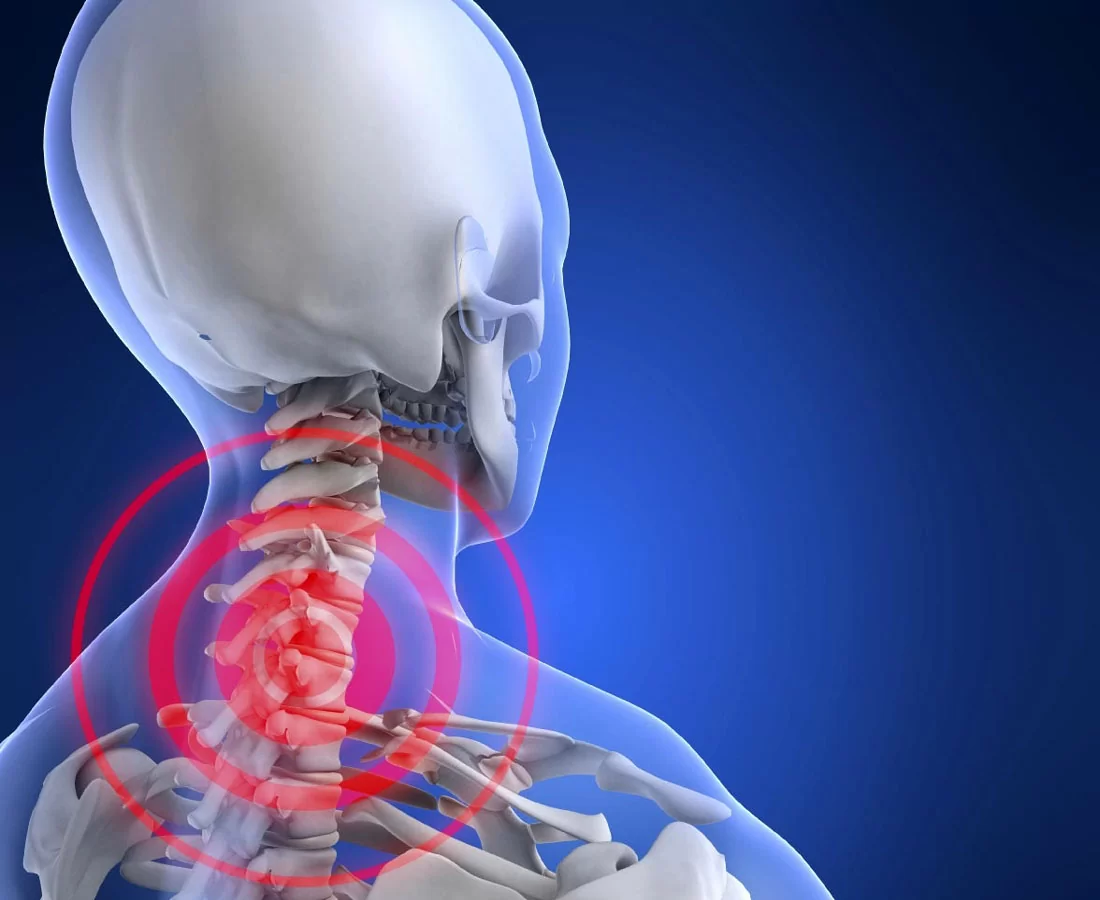
Doctors have highlighted the importance of recognizing cervical disc symptoms. Neck arthritis is considered a rare injury associated with aging and old age. Doctors have also stated that cartilage wear in the neck causes stiffness in the cervical vertebrae, which affects older people.
Some studies have shown that cervical disc symptoms may appear late and range from mild to moderate, including:
- Pain around the shoulder, arm and fingers.
- A severe headache starting from the neck at the back of the head
- Neck stiffness and pain with any movement
- A cracking sound from the vertebrae when turning the neck
Treatment for Cervical Disc Herniation
With medical advances and new techniques, treating cervical disc herniation has become one of the easiest methods, such as radiofrequency and laser treatment, which are less invasive and safer options. People should maintain a correct sitting posture, do simple neck exercises daily, and avoid lifting heavy weights incorrectly. Anyone with a cervical herniated disc should consult a spine specialist to determine the best treatment plan, and then follow the advice regularly to improve sitting posture and recover quickly.
Exercises for Cervical Disc Problems Include
- Neck rotation exercises
- Neck extension exercises
- Head tilt exercises
- Shoulder roll exercises
Recent Developments in Treating Cervical Disc Herniation
Current options for cervical disc herniation include physiotherapy to strengthen muscles around the spine and improve flexibility; medication such as anti-inflammatory drugs and painkillers; surgery used by doctors in severe cases when necessary to correct the herniation and relieve nerve pressure; and spinal injections using steroids to reduce inflammation and pain.
Doctors advise people with cervical disc herniation to rest temporarily and avoid any movement that may increase pressure on the vertebrae.
What Is the Non-Surgical Treatment for a Cervical Disc Problem?
Many patients prefer to avoid surgery and rely on non-surgical treatments, including:
- Physiotherapy and exercise: these help strengthen the muscles around the neck and increase flexibility.
- Manual Therapy: This works as a spinal adjustment tool to correct the position of a person's vertebrae.
- Radiofrequency treatment: Radiofrequency treatment is used to stimulate the nerves and relieve pain.
Treating a Cervical Disc Problem at Home
-
- Use cold or hot compresses at the site of pain to help relieve the patient's pain.
- Rest is very important, but it should not be excessive to avoid muscle stiffness and increased pain in the future.
- Gentle exercises can strengthen the neck muscles supporting the discs and may improve neck health.
- Sometimes, the patient may need painkillers for temporary pain relief.
- Avoid harmful habits such as prolonged incorrect sitting or positions that adversely affect the cervical discs.
- Avoid holding heavy objects, particularly in an incorrect way.
- Take care to avoid direct injury to the cervical vertebrae.
- Lose excess weight to reduce pressure on the spine.
The Effect of Effective Exercise on Cervical Disc Problems
Neck exercises are an effective way to reduce pressure on nerve roots. This helps return the disc to its natural position, relieving pain and tingling. These exercises also play an important role in promoting recovery and preventing recurrent injuries. Exercise is an effective way to treat and relieve symptoms of cervical disc problems. The main exercises include:
- Shoulder Blade Squeeze Exercise: This exercise helps relax the neck muscles and relieve pain. To perform it, sit or stand with your back supported against a wall. Relax your arms naturally at your sides. Bend your elbows so the arms form a 90-degree angle while keeping the upper arms against the wall. Move your shoulders back and down, then press your arms backwards towards the wall while bringing your shoulder blades together. Hold this position for 15 to 30 seconds.
- Neck Isometric Exercise: This exercise activates muscles without moving the surrounding joints, increasing muscular endurance. Sit upright with relaxed shoulders. Place your hand on your forehead and try to tilt your head forward while holding your hand firmly to prevent head movement. Hold for 6 seconds, then repeat 8 to 12 times. Perform these exercises regularly and consult a doctor when necessary to ensure the best results.
- Side-Bend Strengthening Exercise: Follow these steps: place two fingers of your right hand on your right temple. Try to tilt your head sideways while applying gentle pressure to prevent it from moving. Hold for 6 seconds. Repeat 8 to 12 times, then move to the left side.
- Neck Extension Exercise: The patient sits upright, then slowly tilts the head backwards until looking upwards and holds this position for several seconds before returning to the normal position.
- Chin Tuck Exercise: The patient sits upright, then slowly draws the chin backwards as though making a “double chin” and holds this position for several seconds.
- Neck Rotation Exercise: The patient sits upright, then slowly turns the head to the right until a gentle stretch is felt, holds for a few seconds, and repeats on the opposite side.
Related Topics: Back and Neck Pain
These articles cover related symptoms and conditions that may also help:
- How to Tell If You Have a Herniated Disc: symptoms that call for an examination.
- Treatment for a Disc Compressing a Nerve: the latest non-surgical techniques.
- Lower Back Pain When Sitting and Bending: causes and ways to ease it.
- Back Pain in Young People: key causes and treatment methods.
- Cervical disc herniation treatment: non-surgical treatment options.
- Neck Pain Treatment: diagnosis and treatment.
- Treatment for Cervical Disc Degeneration: when conservative treatment may be enough.
In conclusion, the center of Prof. Dr. Yasser Reda is one of the leading institutions in treating cervical disc herniation. Prof. Dr. Yasser Reda has extensive experience in this field, and the center has all the available medications and modern equipment that help provide the best treatment for patients. The doctor always seeks to provide comprehensive, integrated care, which makes the center an ideal choice for people with neck problems, as it aims to provide effective, safe treatment that meets patients' needs and helps improve their quality of life.