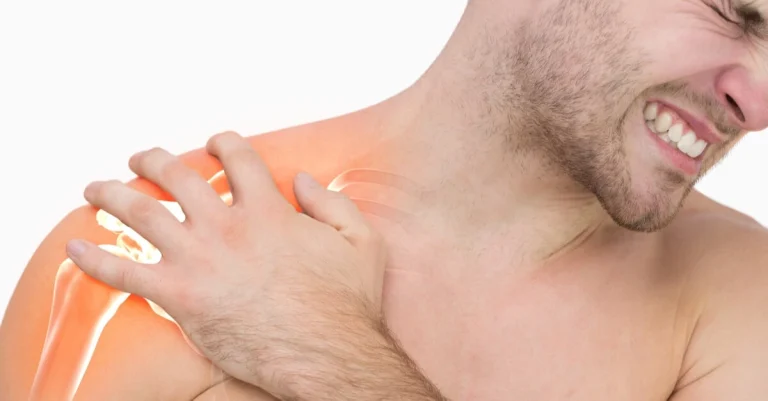

Frozen shoulder surgery: one of the most common symptoms experienced by many people is being unable to move the shoulder joint. This symptom is accompanied by others that leave the patient unable to move or carry out daily activities, which is certainly very unpleasant. We will therefore discuss everything about this operation, from its definition and causes to the steps of the procedure. It is performed arthroscopically, one of the latest advanced techniques in medicine, with the aim of relieving this pain as quickly as possible before other complications develop.

What is frozen shoulder?
Frozen shoulder, or adhesive capsulitis, is severe pain and stiffness in the shoulder joint that prevents the patient from moving the shoulder in any direction. This stiffness results from inflammation and contraction of the capsule surrounding the shoulder. Symptoms are not limited to pain; the person cannot carry out even simple daily activities. Without treatment, this pain may continue for months and in some cases years.
Symptoms of Frozen Shoulder
Patients with frozen shoulder experience several symptoms, which vary from person to person. The most notable include:
- Pain in the shoulder that gradually increases.
- Being unable to carry out daily activities, such as raising the hand, and being unable to sleep because of severe pain.
- Stiffness throughout the joint, which greatly restricts movement.
- Inflammation in the area surrounding the shoulder.
Risk Factors for Frozen Shoulder
Many studies have established that frozen shoulder has no clear causes. In general, however, it may result from thickening of the connective tissue around the shoulder ligaments and tendons, affecting overall movement. Factors that increase the risk include:
- Age and sex: Women have a much higher rate of frozen shoulder than men, and the risk increases with age.
- Having Other Conditions: عدم تحريك الكتف بصفة مستمرة من الممكن أن يعانوا من الكتف المتجمد، حيث توجد أسباب متعددة تكون السبب وراء عدم تحريك الكتف وهي ( حدوث إصابة أو كسر في الزراع، وجود تمزق في أربطة الكتف، إصابة الشخص بالسكتة الدماغية، إجراء أي عملية جراحية في الزراع).
- Having Other Conditions: Certain diseases make a person more susceptible to this condition. These include all types of malignant disease, thyroid disease, diabetes, heart disease, cerebral infarction and tuberculosis.
مراحل تطور الكتف المتجمد
يمر مرض الكتف المتجمد بثلاث مراحل رئيسية تتطور بشكل تدريجي وكل مرحلة تتميز بأعراض مختلفة من حيث شدة الألم ومدى صعوبة الحركة، ويستغرق تطوره بين عام إلى ثلاثة أعوام إذا لم تتم متابعته وعلاجه؛ المرحلة الأولى تعرف بمرحلة الألم أو مرحلة التجميد، حيث يبدأ المريض بالشعور بألم متزايد في الكتف، خصوصًا عند القيام بالحركات البسيطة أو أثناء النوم، ويؤدي ذلك إلى صعوبة تدريجية في استخدام الذراع.
المرحلة الثانية هي مرحلة التجمد وفيها يقل الألم تدريجيًا لكنه يتركز في نطاقات معينة من الحركة، بينما تزداد صعوبة تحريك الكتف وتصبح حركة المفصل محدودة للغاية، مما يعيق القيام بالأنشطة اليومية أما المرحلة الثالثة فهي مرحلة الذوبان أو التعافي، حيث يبدأ الكتف في استعادة مرونته تدريجيًا ويخف الألم بشكل واضح، إلا أن العودة الكاملة للحركة الطبيعية قد تستغرق وقتًا طويلاً وتتطلب التزامًا بالعلاج الطبيعي والتمارين المستمرة؛ كما جاءت المراحل الأساسية كالتالي:
- مرحلة الألم (3 – 9 أشهر): يشعر المريض بألم شديد عند تحريك الكتف حتى مع الحركات البسيطة ويزداد الألم في الليل.
- مرحلة التيبس (4 – 12 شهراً): يبدأ الألم في التراجع تدريجياً، لكن التيبس يزداد وضوحاً ويصبح نطاق الحركة محدوداً للغاية.
- مرحلة التعافي (6 – 24 شهراً): يبدأ المريض باستعادة جزء من حركة المفصل تدريجياً وقد تختفي الأعراض مع العلاج المناسب.

Diagnosing frozen shoulder
يعتمد الأطباء على عدة وسائل لتشخيص الكتف المتجمد منها:
- Clinical examination: اختبار مدى حركة الكتف واستجابة المفصل.
- X-rays: للتأكد من عدم وجود كسور أو تآكل بالمفصل.
- Magnetic resonance imaging: يكشف الالتهابات والتليفات في محفظة المفصل.
- Ultrasound: تساعد في استبعاد تمزق الأوتار أو الإصابات الأخرى.
طرق علاج الكتف المتجمد
العلاج يعتمد على شدة الحالة والمرحلة التي يمر بها المريض ومن أبرز الوسائل المستخدمة:
1. العلاج الدوائي
- المسكنات مثل الباراسيتامول لتخفيف الألم.
- مضادات الالتهاب غير الستيرويدية مثل الإيبوبروفين.
- الحقن بالكورتيزون داخل المفصل لتقليل الالتهاب وتحسين الحركة.
2. العلاج الطبيعي
يعد العلاج الطبيعي الركيزة الأساسية للتعامل مع الكتف المتجمد حيث يركز على:
- تمارين الإطالة لتوسيع نطاق الحركة.
- Exercises to strengthen the muscles surrounding the joint.
- استخدام الكمادات الحرارية لزيادة مرونة الأنسجة.
3. التدخلات الجراحية
إذا فشلت الطرق المحافظة يمكن اللجوء إلى:
- تحريك الكتف تحت التخدير العام: حيث يقوم الطبيب بتحريك المفصل بقوة لكسر الالتصاقات.
- المنظار الجراحي: لإزالة التليفات داخل المحفظة المفصلية.

Steps of Frozen Shoulder Surgery
Some people believe all surgery is difficult and requires a long time in the operating room. This belief is completely wrong because advances in medical techniques have made the arthroscope the only saviour from all these arduous steps, and operations no longer take as long as they did in the past. Frozen shoulder has no specific diagnostic method; the doctor relies on the patient's symptoms, medical history and clinical examination alone. Sometimes imaging is needed to make sure there is no other damage or inflammation in the area.
The steps of the operation are as follows:
- First, the patient undergoes general anesthesia. Sometimes, the patient is given an anesthetic block to numb the arm.
- The surgeon makes several small incisions in different areas around the shoulder.
- The doctor then inserts the instruments used to cut and divide the tight capsule surrounding the shoulder.
- Using the arthroscope, the surgeon performs a comprehensive examination to repair any damage inside the joint before completing the operation.
- Finally, after confirming that there is no inflammation requiring treatment, the surgeon closes the incisions with simple stitches.
- The main aim of this operation is to restore the patient's movement and ability to move the joint fully in all directions.

Tips After Frozen Shoulder Surgery
After reviewing all the details of frozen shoulder surgery, it is important to know the advice for protecting the result and completing recovery successfully. These tips include:
- Do not move the arm immediately after surgery, at least during the first week.
- Use an arm sling to keep the shoulder as stable as possible.
- Do not shower for a week after surgery so that the dressing is not affected by water; it must remain dry and clean.
- Take the painkillers recommended by the doctor, particularly during the first few days after surgery.
- If there is swelling or inflammation, cold-water compresses are recommended on the shoulder to reduce it.
- Sleep on your back for a long period until your doctor advises otherwise.
- Begin gentle physiotherapy exercises, but only under the supervision of the doctor and physiotherapist.
- Avoid driving for approximately a month after surgery and consult the doctor before doing so.
الوقاية من الكتف المتجمد
رغم صعوبة منع جميع حالات الكتف المتجمد فإن هناك خطوات تقلل من احتمالية الإصابة:
- ممارسة التمارين الرياضية بانتظام.
- تحريك الذراع والكتف بعد أي إصابة أو جراحة بدلاً من التثبيت الطويل.
- السيطرة على الأمراض المزمنة مثل السكري.
- اتباع وضعيات صحيحة أثناء العمل والنوم.
حيث لا يقتصر تأثير الكتف المتجمد على الجانب الجسدي فقط، بل يمتد ليشمل الحالة النفسية والاجتماعية للمريض؛ إذ قد يعاني الكثيرون من القلق والاكتئاب نتيجة الألم المزمن وصعوبة القيام بالأنشطة اليومية، ما يستدعي أحياناً تدخل الدعم النفسي بجانب العلاج الطبي. اقرأ: Shoulder Joint Stiffness: Causes and Treatment.
When does a patient need surgery?
The doctor considers surgery when non-surgical treatments fail, the body does not respond, and pain, shoulder stiffness and inability to move continue despite medications and painkillers.
How long does frozen shoulder surgery take?
Frozen shoulder surgery may take 30 to 60 minutes, depending on the patient's health and the type of injury.
When can patients return to daily activities after surgery?
Patients can return to daily activities 3 to 5 weeks after surgery, but should begin gradually with simple exercises. Physiotherapy exercises also affect this timeframe.
Does the operation require general or spinal anesthesia?
The treating doctor determines the type of anesthesia according to the patient's health and the operation. The best shoulder orthopedic doctor determines the appropriate treatment for frozen shoulder.
What foods are recommended after surgery?
It is recommended to take medicines containing important vitamins and minerals and to eat protein-rich foods such as fish, chicken and eggs; drink suitable amounts of water throughout the day to remain hydrated; and eat plenty of vegetables because they help tissues heal after surgery. An appropriate weight should also be maintained to avoid pressure on the shoulder joint.
We have reached the end of today's article on frozen shoulder surgery, covering what the operation is, its causes and the symptoms some people experience. Most important is following the postoperative advice because it helps recovery occur as quickly as possible. If you have questions or enquiries, you can visit this link for more details.