
When it comes to arthroscopy, some people think it is an easy operation with no complications: you simply visit the doctor, who makes a few incisions, and then it is over, allowing you to hike in the woods and attend a barbecue the next day. The truth is that it is neither that simple nor that difficult. Every surgery carries risks and complications, including shoulder arthroscopy. What complications may affect patients who undergo this operation, when do they begin to appear, and are there tips for avoiding them? This article takes you through the operation in depth.
What Is Shoulder Arthroscopy?
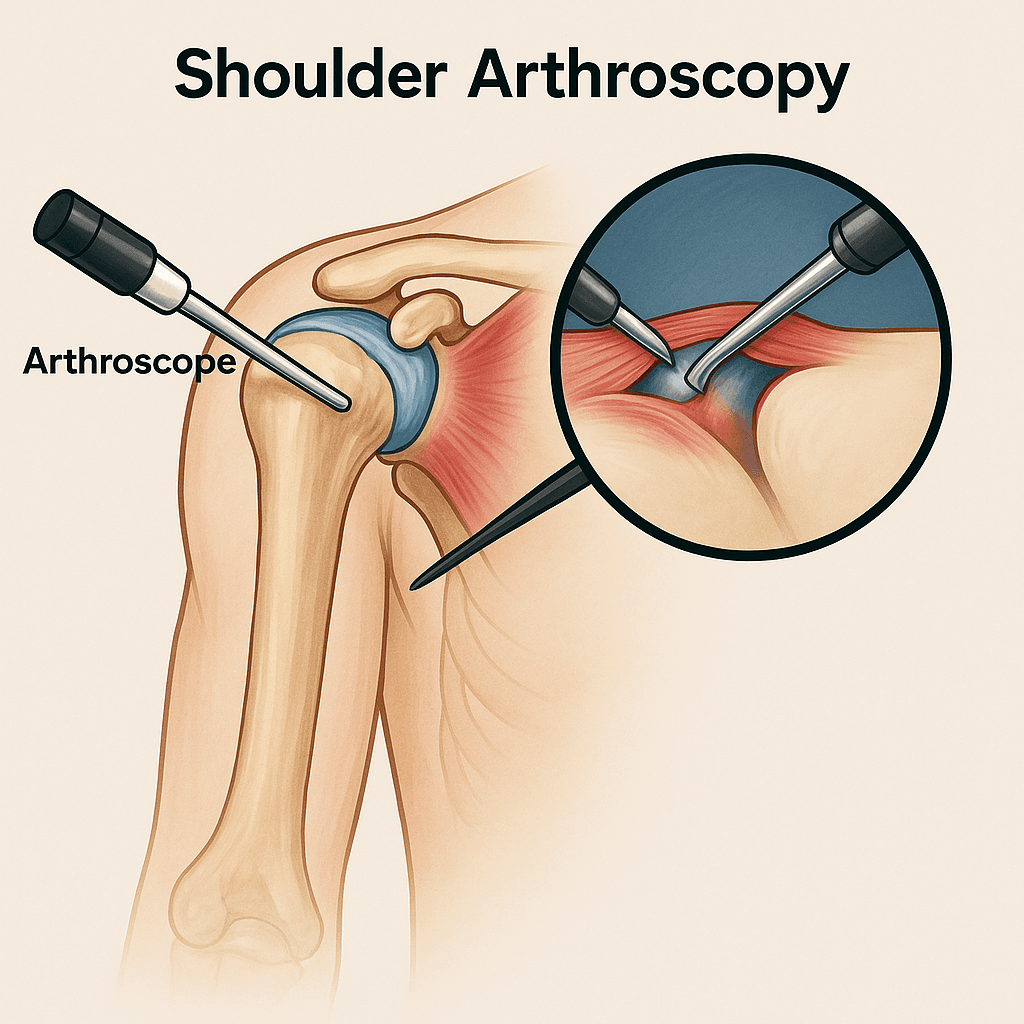
Cleveland Clinic defines shoulder arthroscopy ([1] a minimally invasive operation in which medical intervention is performed through small incisions made by the doctor instead of the large surgical incisions used in conventional surgery. Its advantages include less postoperative pain, small and less visible scars, less bleeding, faster recovery and a lower risk of infection).
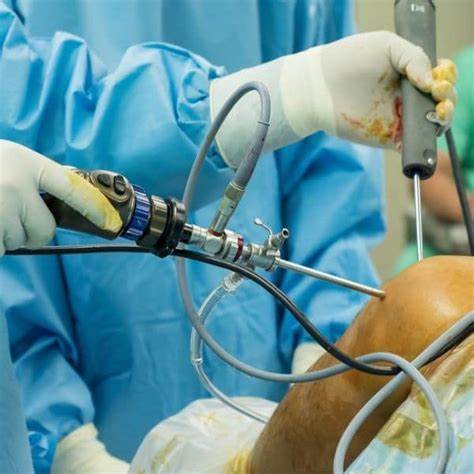
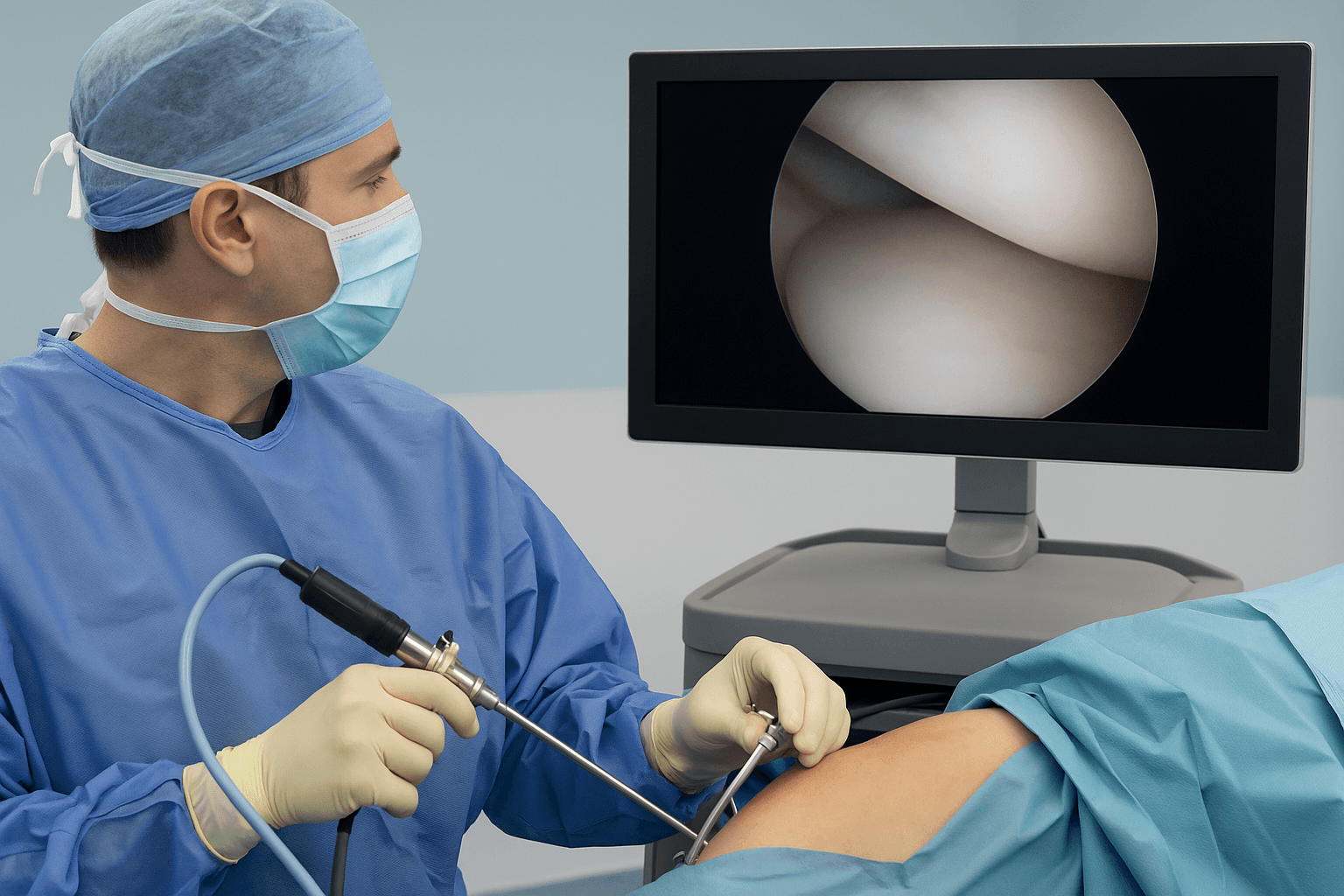
The treating shoulder arthroscopy specialist inserts a small camera called an arthroscope, along with the surgical instruments used in the operation. The doctor moves the camera and instruments while watching a screen that shows him the complete picture inside, in order to complete the operation.
Reasons for Shoulder Arthroscopy
There are several reasons for undergoing Shoulder Arthroscopy but generally it is performed after medications and physiotherapy fail, and according to [2] According to Volk Orthopedics, a sports medicine center specializing in shoulder arthroscopy treatments, reasons for shoulder arthroscopy include:
1. Shoulder impingement
This involves tissue or bone pressing on the tendons, causing substantial pain when moving the arm, especially when raising it. Arthroscopy removes the irritated tissue or spur causing the pressure.
2. Rotator cuff tear
The rotator cuff consists of the muscles that stabilize the shoulder and help it move. These muscles may tear during strain or injury, causing shoulder pain and weakness. Shoulder arthroscopy sutures or reinforces the torn tendons.
3. Frozen shoulder
Frozen shoulder means loss of shoulder flexibility, making movement difficult and causing pain and stiffness that persist over time. The treating doctor releases these tissues through arthroscopy to improve flexibility.
4. Shoulder instability
This condition results from weak or injured ligaments. Arthroscopy is used to repair the ligaments and strengthen the joint so that dislocation does not recur.
5. Biceps tear
The biceps extends from the shoulder to the elbow. Sometimes the tendon connecting it to the shoulder tears, causing pain and difficulty moving the arm. Arthroscopy is used to restore or secure the tendon according to the severity of the tear.
6. Damaged cartilage or ligaments
The patient feels clicking inside the shoulder because of damage to the tissues and ligaments that stabilize the joint internally. Arthroscopy sutures these ligaments to achieve complete healing.
7. Bone spurs
Bone spurs are projections or excess growths that form on bones because of wear or osteoarthritis. They press on tendons and cause pain, restricted movement and chronic inflammation. Shoulder arthroscopy helps remove and smooth them when possible.
Complications of Shoulder Arthroscopy
Shoulder arthroscopy is generally a safe operation, but in some cases complications affecting no more than 1% may occur in a small group of patients. They include:
-
Tissue or nerve damage
When the treating doctor moves or positions instruments inside the joint, minor injuries to nerves and surrounding tissues may occur.
-
Infection
The risk of infection is not high, but bacteria may enter the wound or joint during any operation, not only shoulder arthroscopy.
-
Blood clots
If the surgery is serious, the likelihood of blood clots increases, especially in the deep veins of the arm or leg.
-
Swelling or puffiness
If the doctor is less experienced, a large amount of irrigation fluid may be used and temporarily collect in surrounding tissue, causing swelling or puffiness for several days and up to 15 days.
-
Joint stiffness
Some patients may experience stiffness after the operation, especially those who did not begin treatment early.
-
Cartilage wear
Cartilage wear is a rare complication of shoulder arthroscopy and involves rapid deterioration of the cartilage after the operation.
When Do Shoulder Arthroscopy Complications Appear?
Complications of shoulder arthroscopy are generally rare, but it is important to know and monitor them carefully. In terms of when they appear:
- Most complications appear during the first one to two weeks after the operation, including infection, swelling, bleeding or fluid accumulation.
- Some complications may appear after weeks or even months, such as shoulder stiffness, problems with joint movement or delayed tissue healing.
- Other complications, such as blood clots or nerve problems, usually appear during the first days or weeks.
Main Complications and When They Appear
- Infection: It usually appears during the first 3-10 days as redness, increased pain, wound discharge or a high temperature.
- Bleeding or severe swelling (hemarthrosis): This usually appears during the first two to 5 days after surgery.
- Fluid accumulation (seroma): This may appear during the first week.
- Shoulder stiffness (frozen shoulder): This usually begins gradually weeks or months after the operation, especially if the patient does not follow physiotherapy.
- Nerve or blood vessel injury: This appears immediately after the operation or during the first two days.
- Cartilage wear or problems with tendon healing: These usually appear after weeks or months.
How Long Do I Need to Recover After Shoulder Arthroscopy?
Recovery time after shoulder arthroscopy varies according to the type of operation. The patient usually passes through gradual stages of improvement, beginning with a gradual return to daily life, followed by more movement and light work, and then restoration of normal shoulder activity. Each stage has an approximate timeframe that must be observed to achieve the best result without rushing:
- During the first two weeks after the operation, the patient focuses on complete rest and simple physiotherapy under the doctor's supervision.
- From the second through the sixth week, shoulder movement gradually improves, and the patient can perform light daily activities or return to non-strenuous office work.
- After 6 to 12 weeks, shoulder movement improves clearly, postoperative pain decreases substantially, and the patient regains the ability to perform most daily activities.
- After three months, most patients have passed the stage of pain and difficulty moving and begin gradually returning to normal activity.
- If the surgery was complex or tendons were repaired, the patient may need 4 to 6 months or longer to return fully and safely to sports or strenuous work.
Ways to Prevent Complications After Shoulder Arthroscopy
To avoid tissue or nerve damage, infection, swelling or other complications of shoulder arthroscopy, follow these guidelines:
- To avoid tissue damage, choose a surgeon experienced in shoulder arthroscopy; there is no better choice than Prof. Dr. Yasser Reda Center.
- During the first days after the operation, avoid forcefully moving the shoulder. If numbness or weakness occurs, contact the treating doctor.
- Touch the wound only with clean hands, do not wet the wound or dressings, and take antibiotics if prescribed by the doctor.
- On the first day of the operation, move your fingers gently and do not remain seated or lying down for a long time.
- If you have a history of blood clots, ask the doctor whether you need medication to prevent clots.
- Use ice packs after the operation to reduce swelling caused by irrigation fluid. Raising the arm slightly above heart level while resting is preferable.
- Begin physiotherapy at the time specified by the doctor, do not delay it, follow the home exercises and never stop moving completely after the operation.
- Get some rest, but it is preferable to move and not remain still in one place.
- Monitor the wound and contact the doctor immediately if redness or swelling occurs.
- Avoid alcohol and smoking because smoking slows wound healing and increases the risk of infection.
- When sleeping, use a pillow to support the arm or rest in a reclined chair during the first two days after the operation.
- Even if you feel better, keep your doctor's appointments because the doctor may notice a warning sign that you did not.
- In conclusion, shoulder arthroscopy complications are not serious at all and can be avoided by following the advice in this article. Prevention is better than treatment, so read these tips carefully, including choosing a doctor specializing in arthroscopic surgery. There is no better choice than Prof. Dr. Yasser Reda. In addition to the center's modern equipment, its experience and competence help it avoid these complications. Book your appointment now ” from here ” or Contact Us” .